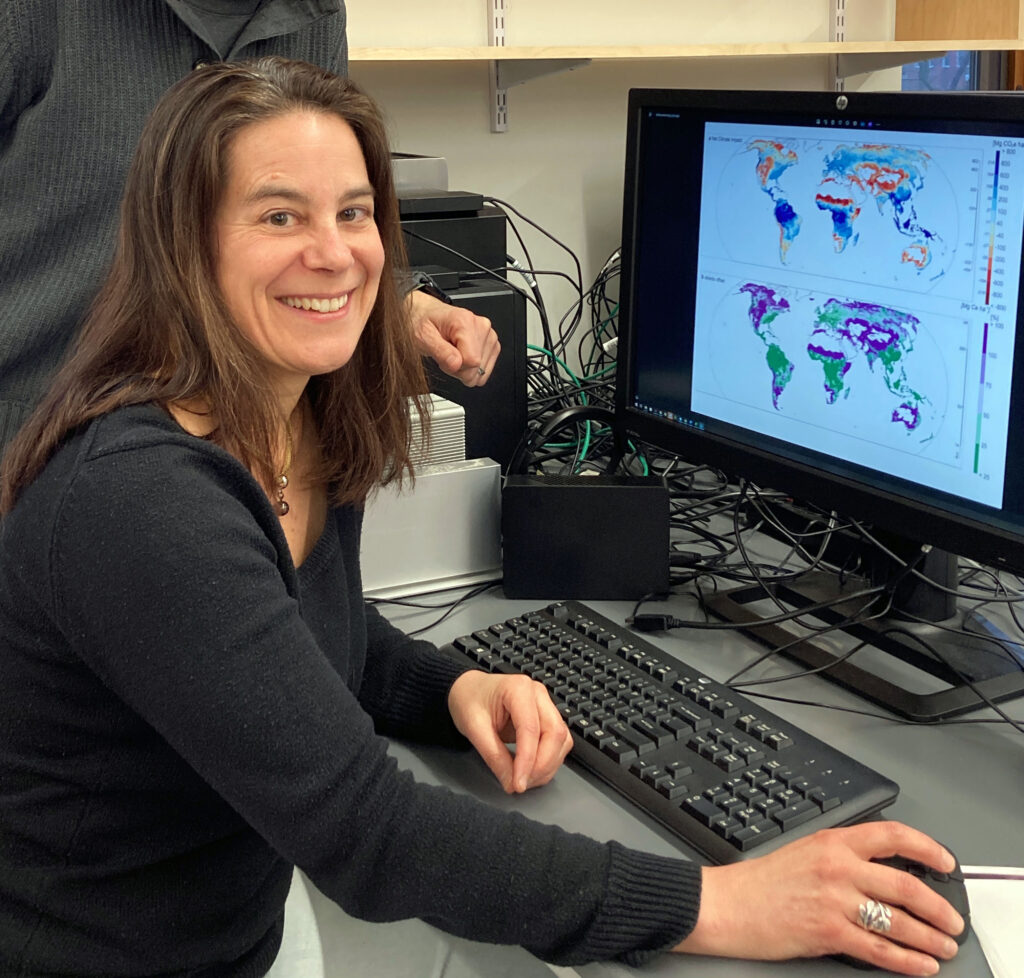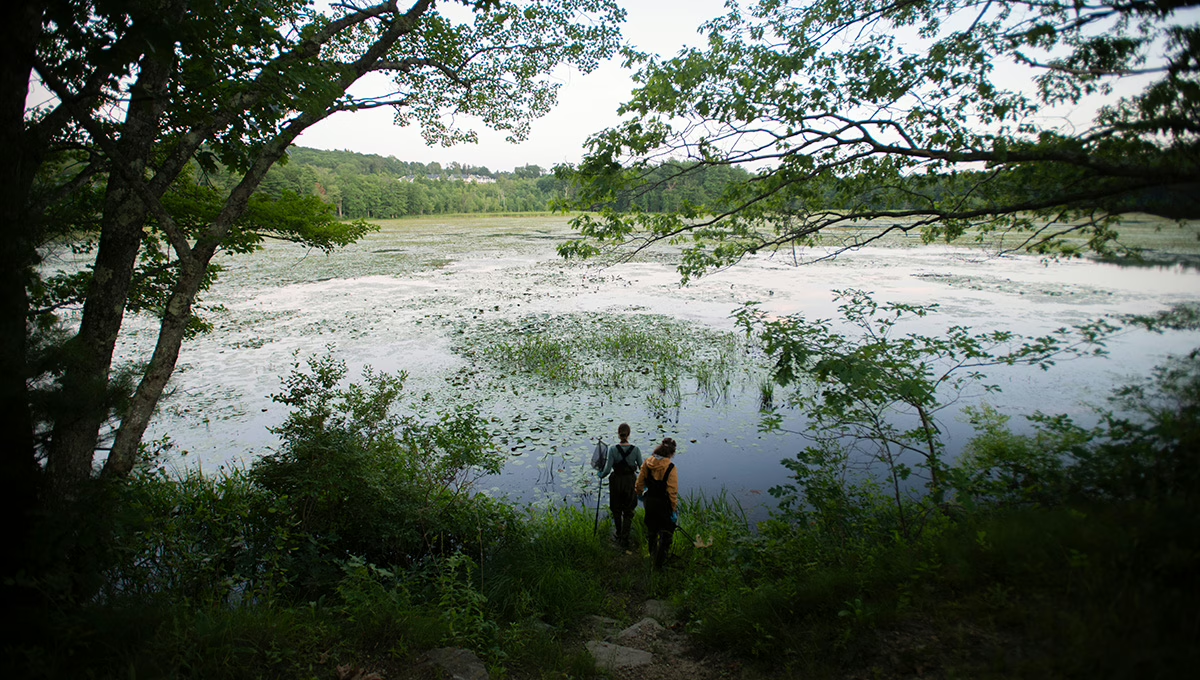



The George Perkins Marsh Institute is dedicated to research on one of the most fundamental questions confronting humankind: How can we sustain natural and human systems amidst profound global change?


Kasperson Library
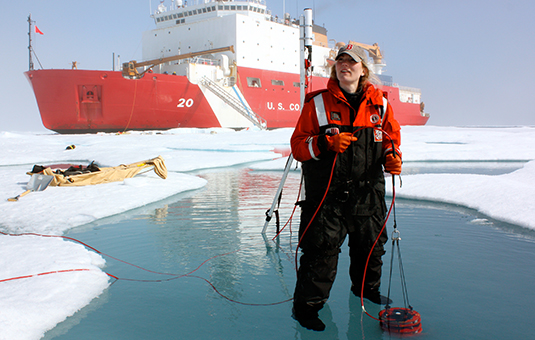
Housed in the Goddard Library, the Jeanne X. Kasperson Research Library includes resources related to environmental issues.

In Memory of Dr. Roger Kasperson ’59
Clark University is saddened by the passing of Dr. Roger Kasperson ’59, longtime professor of geography, former provost, former director of the George Perkins Marsh Institute, and member of the National Academy of Sciences.
2025 Marsh Institute Annual Report
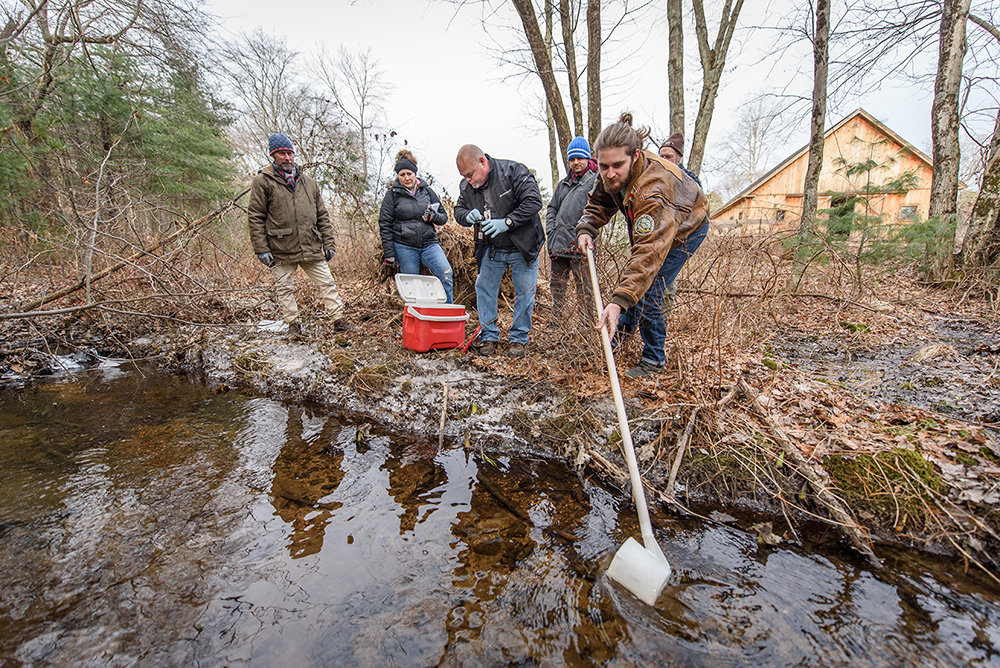
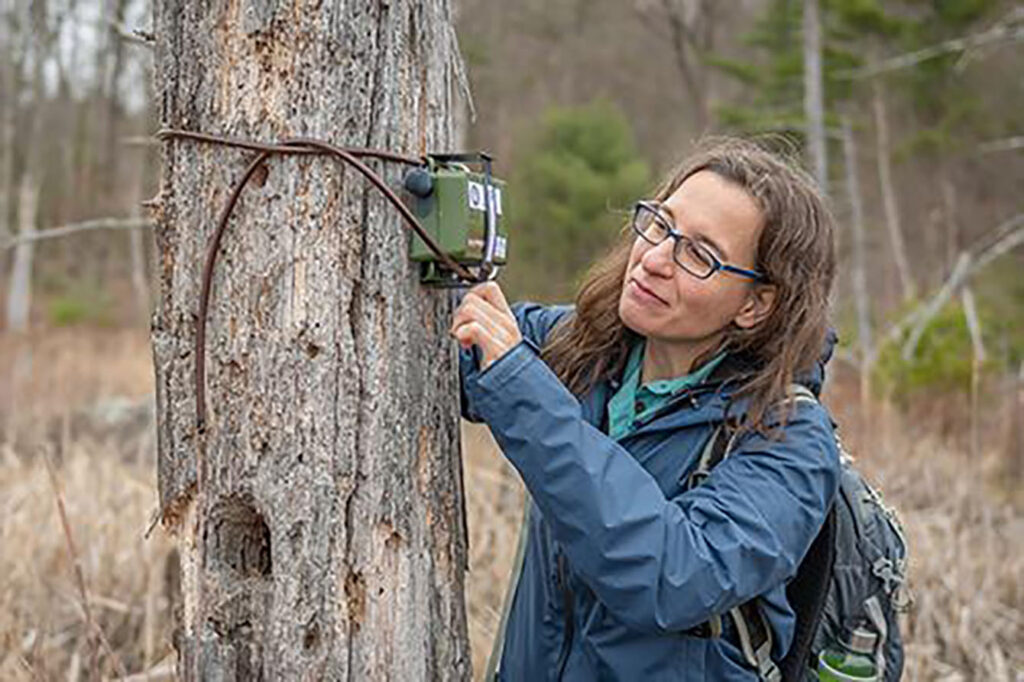
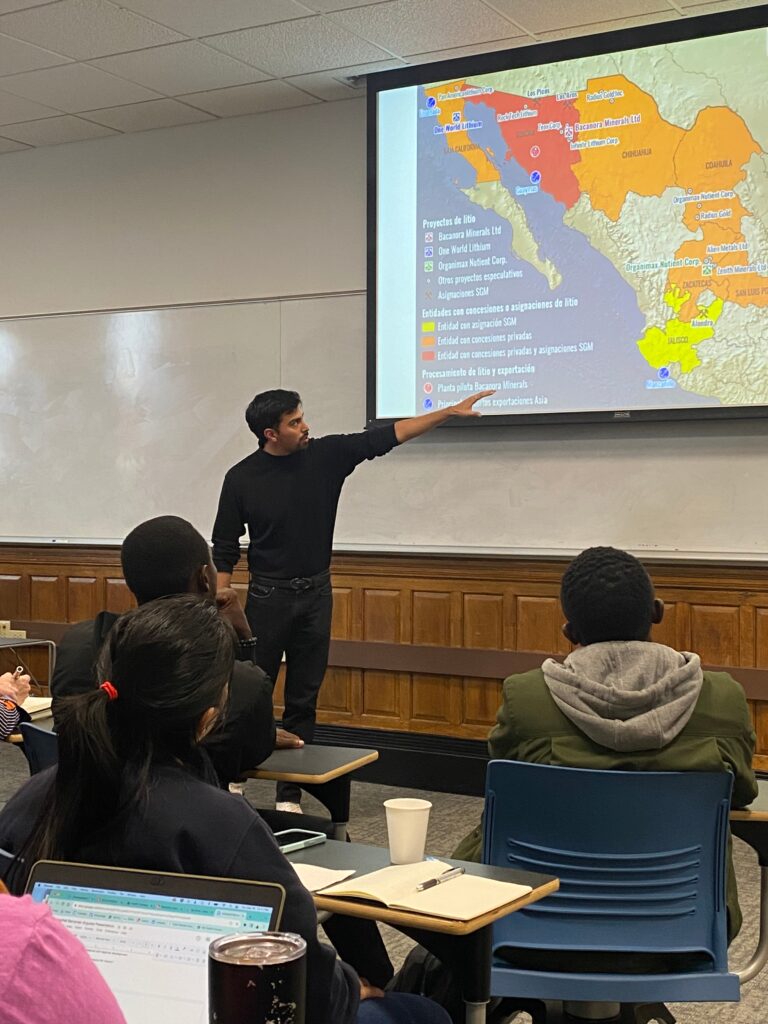
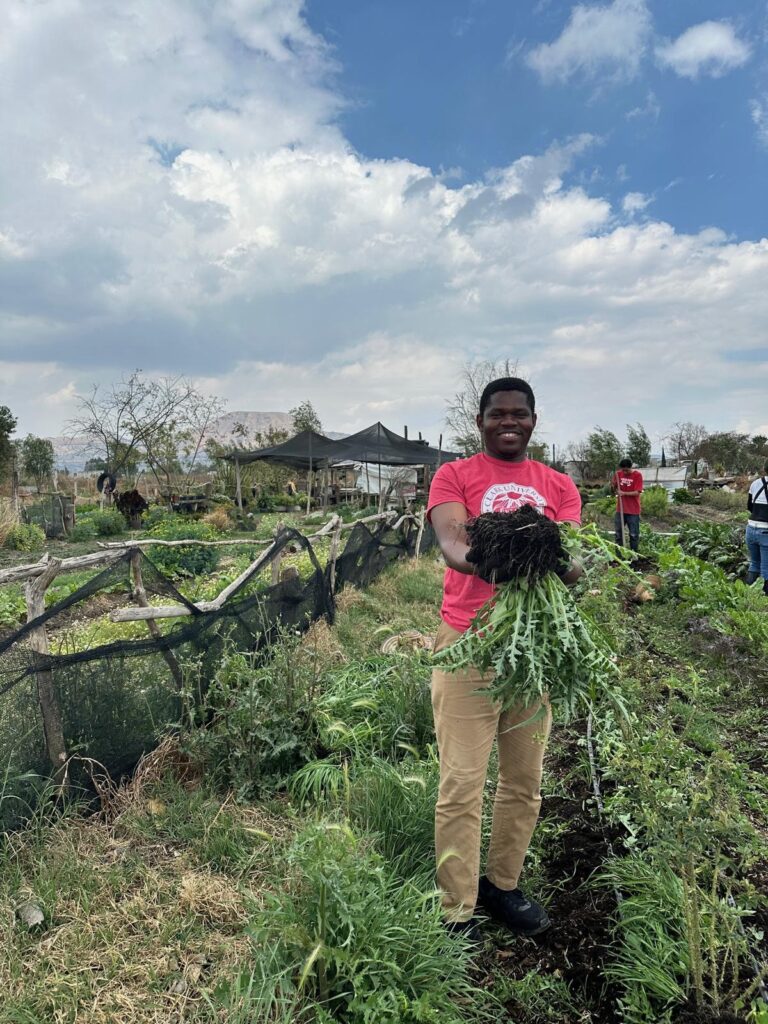
Faces and places of Marsh Research