
Business driven. Socially focused.
The future of business belongs to leaders who see challenges as opportunities, who innovate with purpose, and who understand that success is measured not only in profit but in social responsibility. The world needs decision-makers who can drive sustainable growth, engage communities, and create solutions that benefit both companies and communities.
Our academic programs
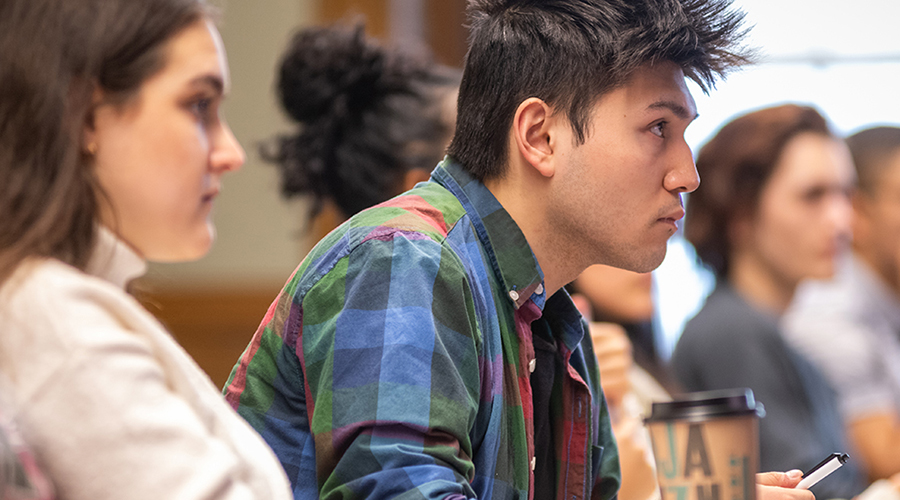
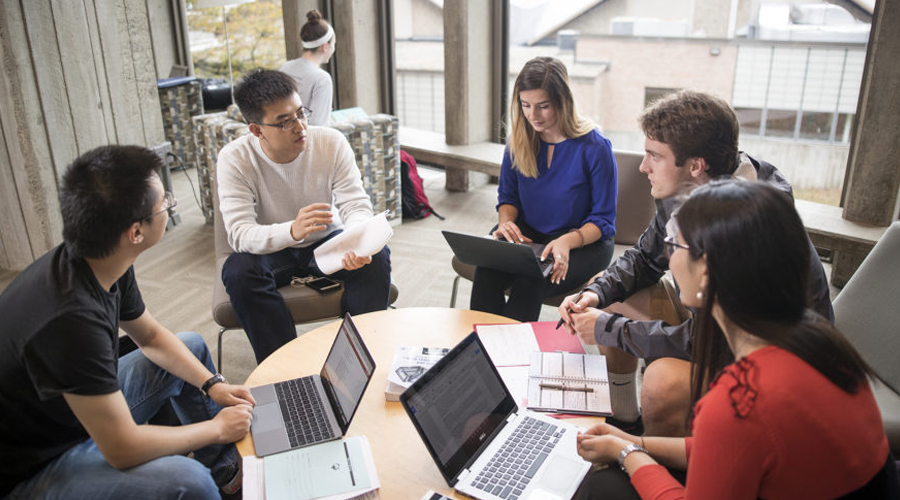
Clark’s School of Business has been ranked among the U.S. News & World Report Best Business Schools — full-time MBA— Fortune Inc. Top MBAs, and included in Princeton Review’s Best Business Schools.
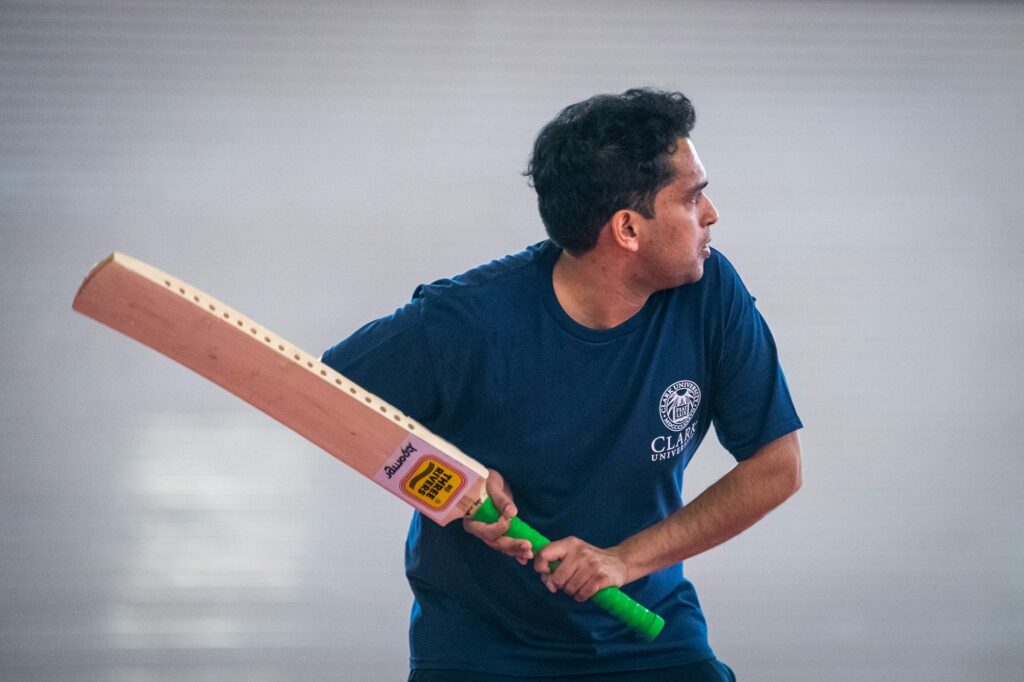
International students
Clark boasts a vibrant and diverse student body, with students from more than 50 countries.
As an international student, you will be warmly welcomed by our close-knit community, and supported by the many resources and programs available to help international students acclimate to life in the U.S. and on campus.
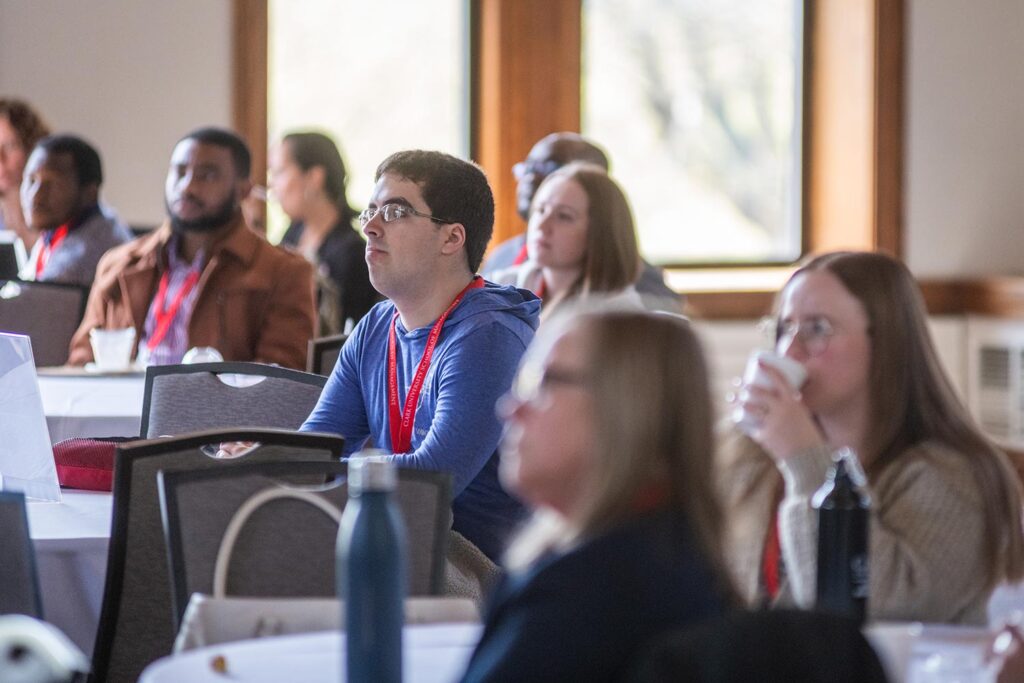
CFA Institute University Affiliate
Our Master’s of Science in Finance curriculum provides ethics-based investment education and positions aspiring investment professionals well to obtain the Chartered Financial Analyst designation — the most respected and recognized investment credential in the world.

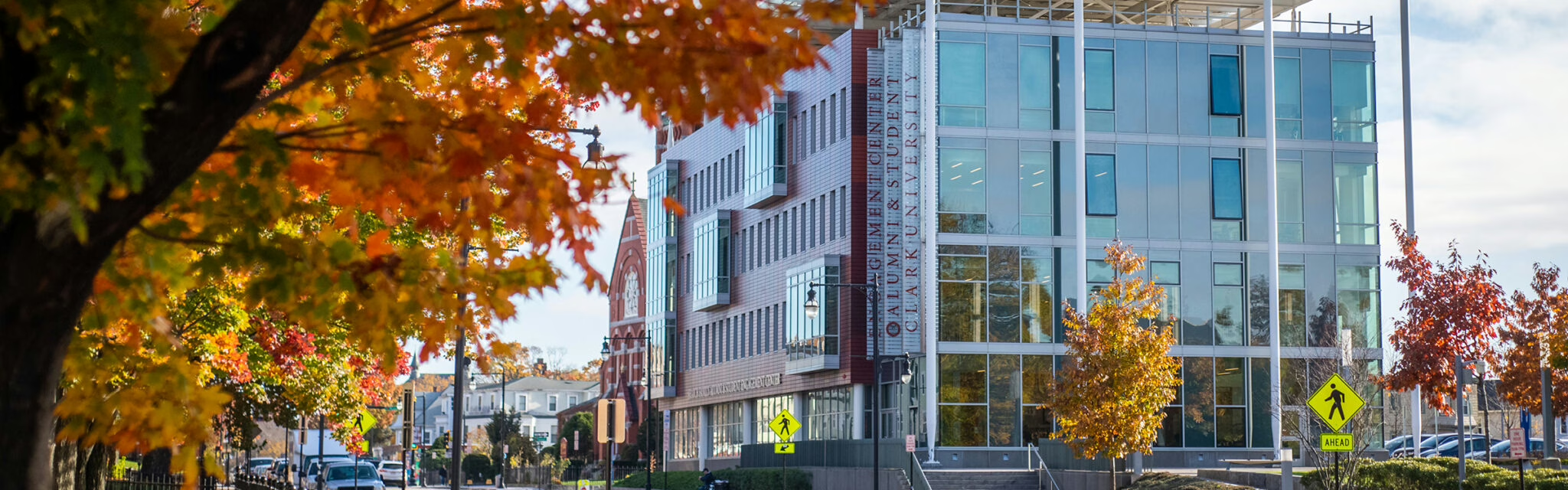
Beginning fall 2026, Clark’s School of Business will have a new home at the Shaich Family Center on Main Street.

Clark’s School of Business is among the 5 percent of business schools worldwide accredited by AACSB.
United Nation’s Academic Impact Initiative
Since 2011, the Clark University School of Business has been part of the global effort to promote social and corporate responsibility, beginning with its commitment to the Principles for Responsible Management Education.
Clark University and the School of Business are now part of the United Nations Academic Impact Initiative, a network of 1700 institutions in 156 countries, and one of just 253 in the United States, who work with the United Nations to promote global priorities.

Career-ready
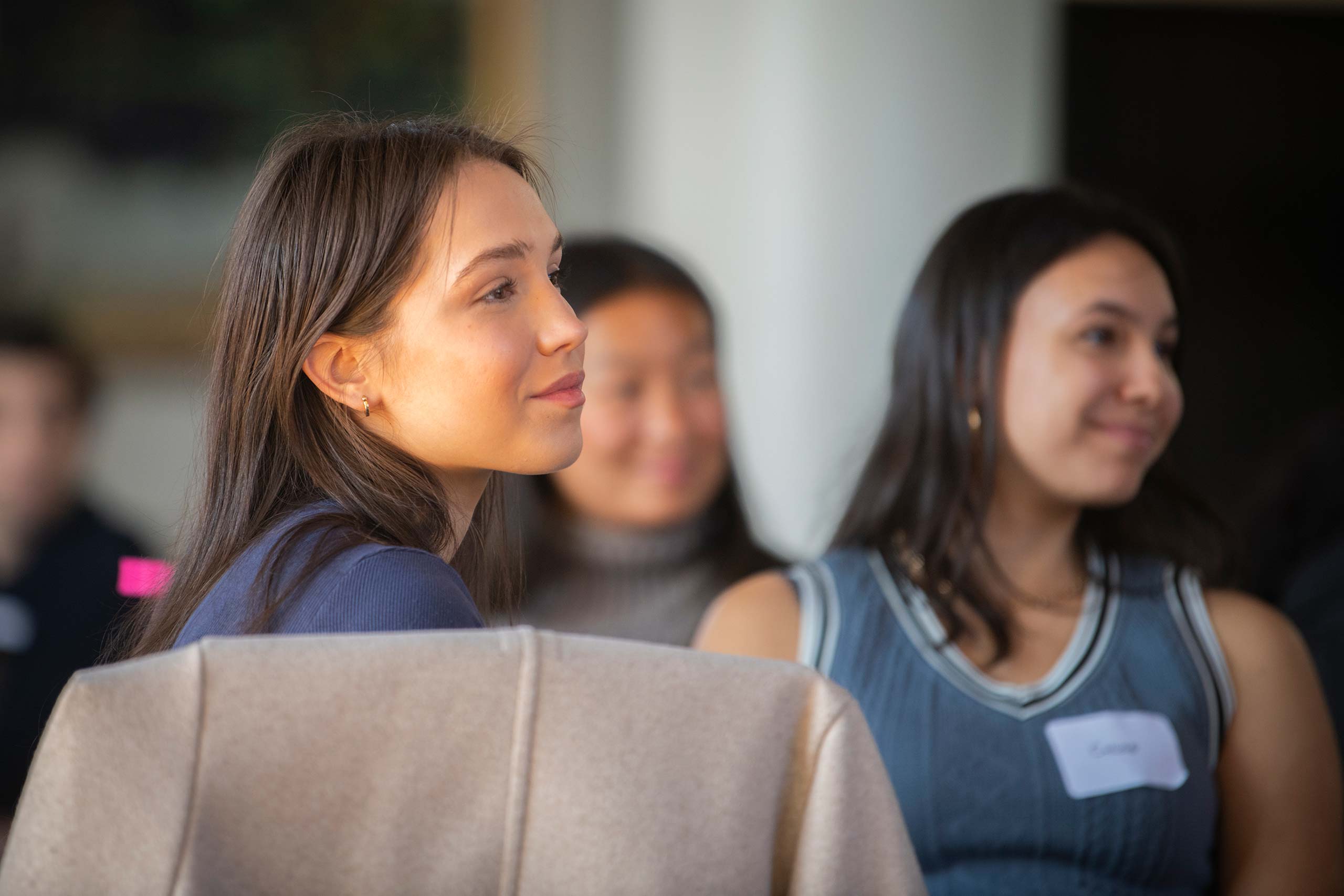
Our students notice the difference: personal advising and lifetime career support, connections to experiential learning, and a global alumni network. You’ll be prepared to build a career that transforms industries, communities, and lives.
News and events
We’re a thriving and connected community. Learn the research, conversations, and events happening at the School of Business.
-
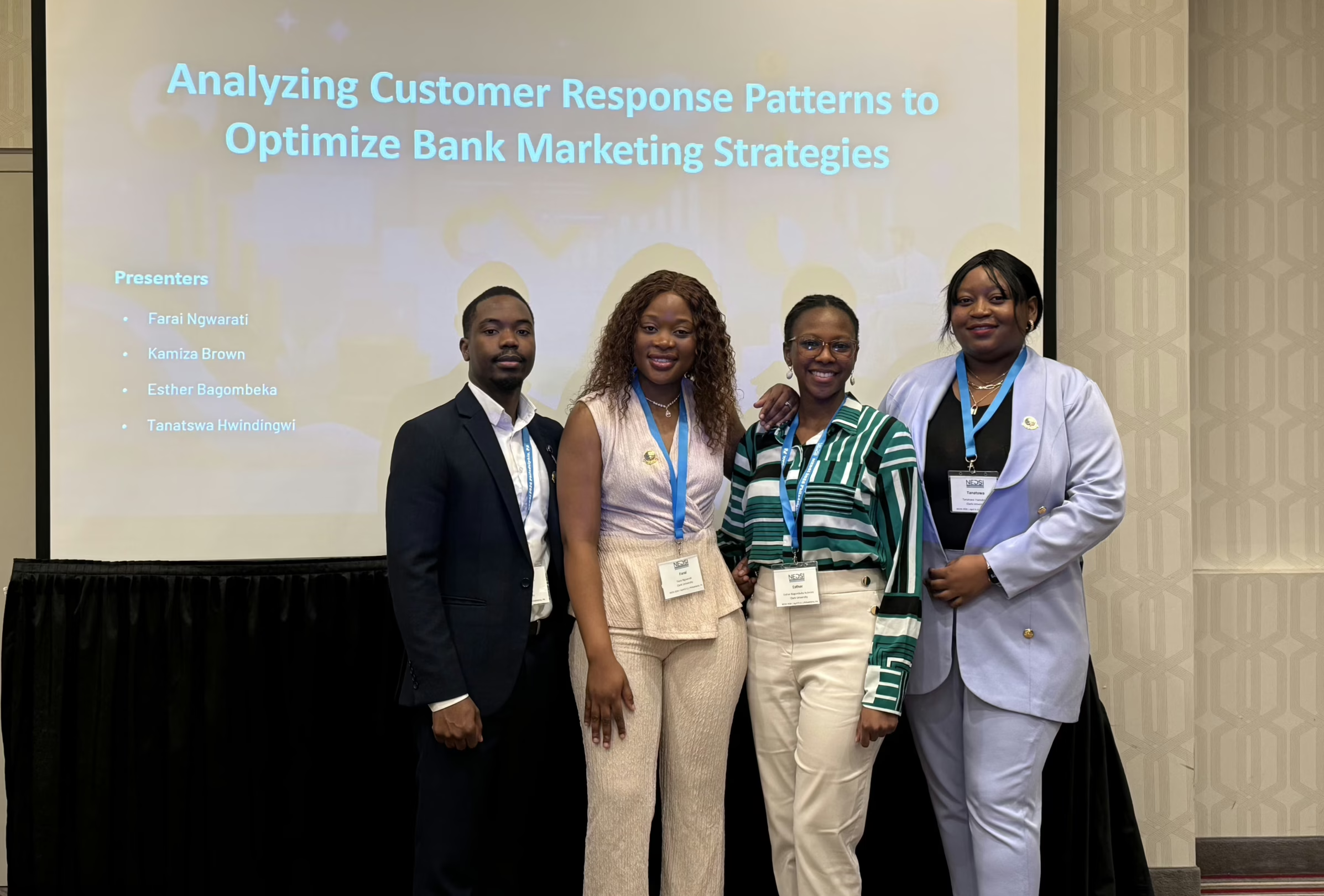
Business School Students Have Research Accepted at NEDSI Conference
The 2026 Northeast Decision Sciences Institute (NEDSI) conference in Philadelphia featured the research of eleven School of Business students.
-

Making gAIns
Clark is doing the hard—and human—work of determining how AI fits into its academic universe
-
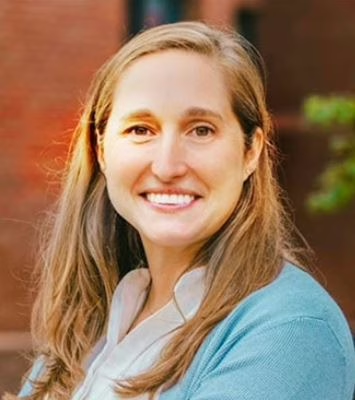
B’School Assistant Dean Honored for Commitment to Inclusivity
Three members of the Clark community were recognized for advancing equity and inclusion on campus and in the community, including CUSB assistant dean Laura Burgess.
-
Business School Faculty Continue to Publish in Top Journals
See where the esteemed School of Business faculty have been published this year.