Graduate and Undergraduate Opportunities at Marsh
NOAA Fellows Program
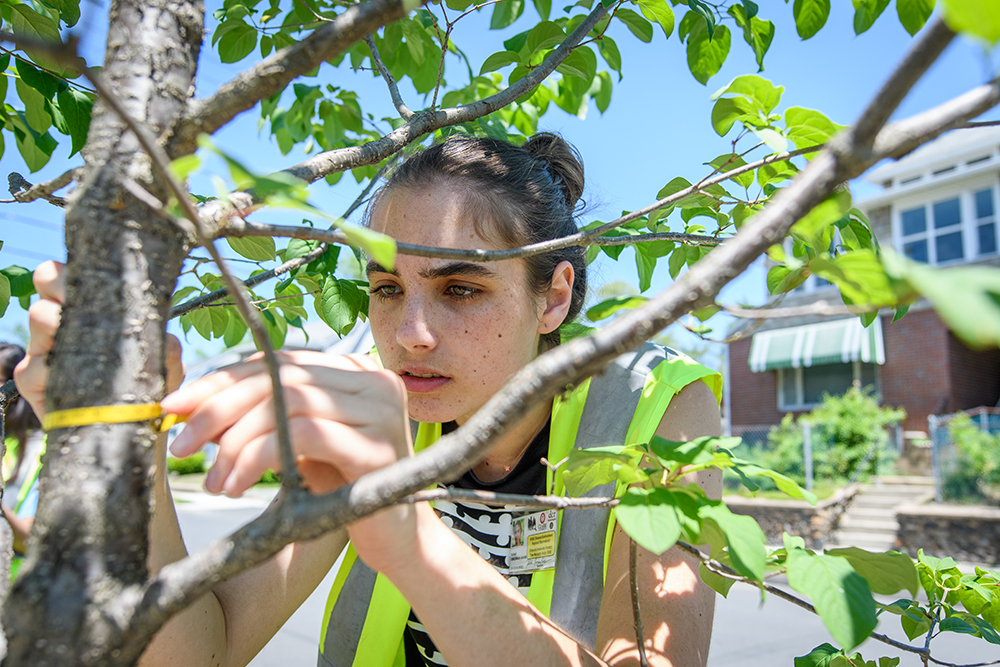
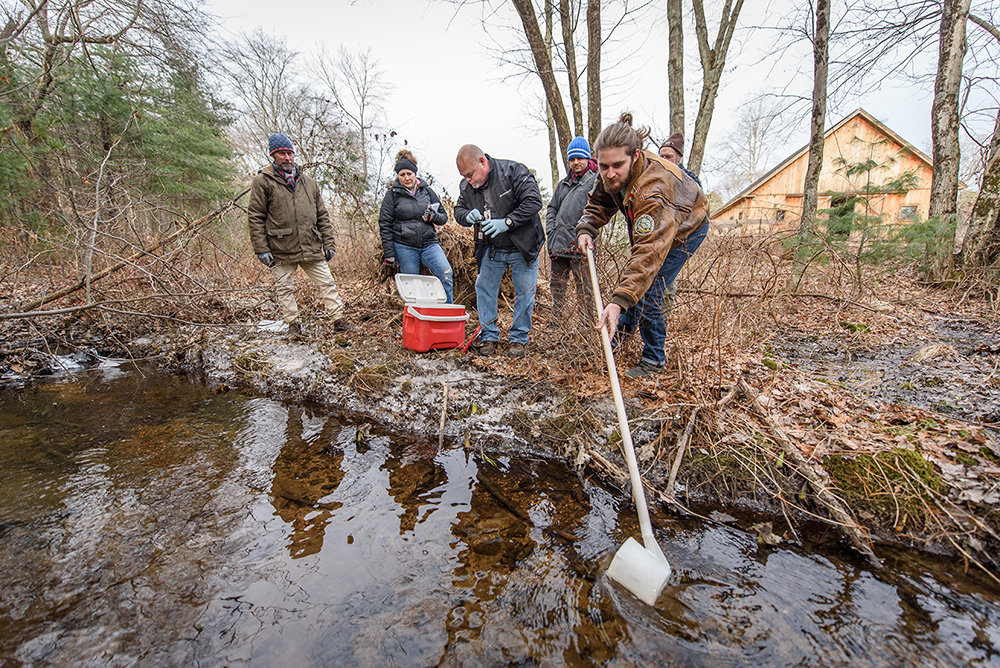
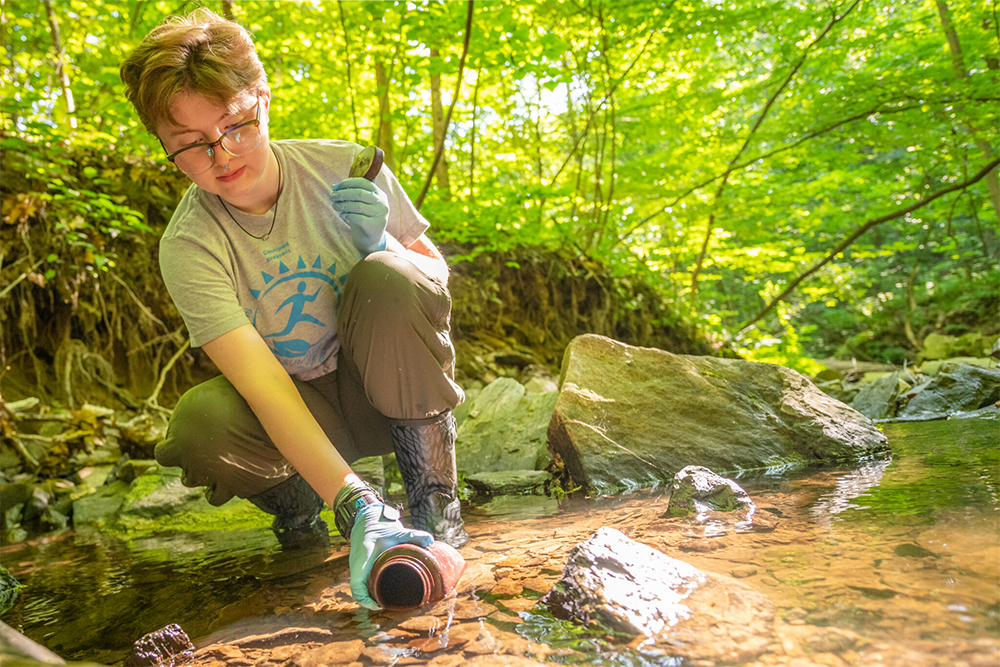
The NOAA Fellows Program is competitive internship for Clark University undergraduate students interested in ocean, coastal and atmospheric research. This program is sponsored by the Mosakowski Institute for Public Enterprise and the George Perkins Marsh Institute, in partnership with the National Oceanic and Atmospheric Administration (NOAA) National Centers for Coastal Ocean Science.
Through this program, scientist and managers with NOAA are partnering with Clark University to offer qualified undergraduate students paid summer field internships for summer 2013. Opportunities will be available in NOAA labs and offices nationwide, working in fields such as applied ocean and atmospheric science, policy, and science communication. Each student's summer activities will be overseen by a NOAA scientist or manager, and advised by a Clark faculty mentor. Internships will be offered in natural and social sciences, and are for a period of approximately ten weeks. Starting dates are flexible, but most internships will begin in June and end in August. Interns will be selected on a competitive basis, and will receive a summer stipend of $4000.
Click here for the available internship opportunities and full application guidelines. Student applications are due on February 22, 2013. Undergraduate students are eligible to apply up through their third year of study (current seniors are not eligible). We anticipate placing three interns from Clark during summer 2013.
Please contact the Institute Director, Robert J. Johnston, for additional details.
The Albert, Norma and Howard Geller '77 Endowed Research Awards for Projects Relating to Sustainability
2012-2013 Call for Student Applications:
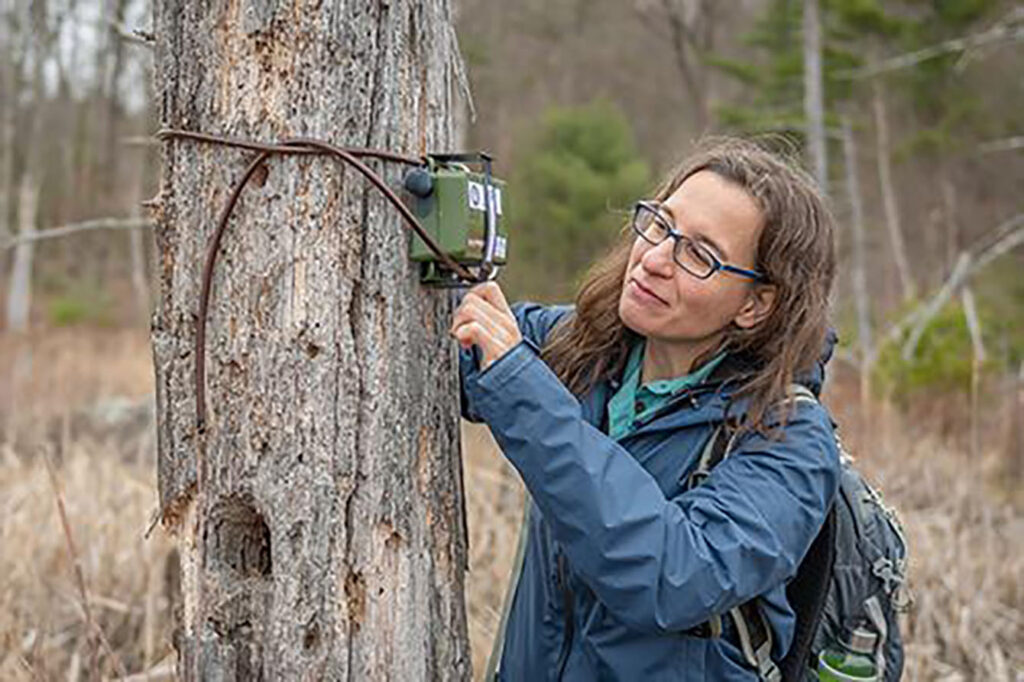
The George Perkins Marsh Institute announces a call for applications for The Albert, Norma and Howard Geller '77 Endowed Research Awards. These awards support student-initiated research projects that advance our understanding of resource and environmental sustainability and practical improvements that can move society towards more sustainable outcomes. Successful applications will balance originality with evidence of support from a faculty mentor, who will help guide the funded work. After completion of their projects, awardees will be expected to report findings from their work and present these findings at an appropriate university forum. All proposed projects must be completed before December 31, 2013.
Undergraduate and graduate students are eligible, and will be reviewed in separate competitions. Subject to the number and quality of applications received, it is the intention of the committee to award one-half of regular and small awards to undergraduate projects. We anticipate making approximately 3-4 awards in amounts ranging from $1,001 to $2,500, and several smaller grants, up to $1,000. Requests for more than $2,500 will not be considered.
Given the intent of the Geller Awards, proposals will be evaluated on the following criteria:
- relevance to practical approaches of advancing sustainability
- originality and innovation
- clarity and feasibility of research plan
- ways in which the project will contribute to linking knowledge to action
- potential for the Geller support to enable a project that may not be possible without the award
- evidence of meaningful interactions with a faculty mentor for the project and/or linkages to ongoing research (but not at the expense of originality and independence)
- cost-effectiveness (i.e., whether the budget is reasonable)
- whether the application is from an undergraduate or graduate student.
Preference will also be given to:
- projects that cannot be carried out without the support from Geller Awards
- projects that promote sustainability at Clark University, and/or coordinate with the Clark University Sustainability Task Force. For information on the Task Force or to discuss your ideas, please contact Jenny Isler, Clark University Sustainability Coordinator (jisler@clarku.edu). Coordination with the Task Force is not necessary to receive an award, but will be one of the factors considered by the committee.
Content of Applications
1. The application must contain a cover sheet that includes:
- the project title
- the student's name and department (of major or graduate work, as applicable), the degree being sought, advisor (if applicable), and the anticipated date of degree completion
- whether the project is an undergraduate or graduate project
- proposed duration of the work (including desired start and end date)
- contact information for the applicant including address, phone and email
- the total funds requested, and whether the proposal is for a regular or small project
- the identity of the faculty sponsor
- a project summary of no more than 300 words
- the cover page is not included in page limits (see below).
2. Applications must contain a description of the proposed project which
- describes the issue or problem that the project will address;
- describes the objectives of the project;
- describes how the project will be conducted and, for projects involving more than one student, how the tasks will be divided or shared among the participants;
- discusses anticipated results and benefits and how they will be documented;
- places the proposed work in the context of any other related studies and activities and explains why this project is worthwhile.
3. The project description is limited to 3 - 5 pages, single spaced, with one inch margins and no smaller than 12 point font. Proposals exceeding page limits will not be accepted.
4. If the proposal is for a portion of a larger faculty or student project with a more extensive budget, the project description (#2 above) must state clearly and explicitly how financial support from a Geller award will complement the larger project. This is included in the 5 page limit.
5. Also indicate in the project description whether the proposed project is part of your final paper, thesis, dissertation or class work; and provide a short description of any other sources of funding for this project. If the project is part of a dissertation or thesis, clearly explain the improvements or extensions that will be possible as a result of a Geller Award. This is included in the 5 page limit.
6. Proposals must also include a one-page proposed budget with a clear explanation of the purpose of the proposed expenditures. The use of all requested funds must be explained. This budget is NOT included in the 5 page limit. See additional details on the budget below.
7. Projects should include a bibliography and be properly cited. This bibliography is NOT included in the 5 page limit.
8. Before submission, proposals should be reviewed and approved by a faculty sponsor who should be clearly identified on the cover page of the proposal.
9. Applications should be submitted electronically as a single pdf file to Robert Johnston at the Marsh Institute, rjohnston@clarku.edu. The file should be named using the following format, LastName_Geller2013.pdf, where "LastName" is your last name. For example, if your name is John Doe, you would submit your proposal in a single pdf file named Doe_Geller2013.pdf.
Guidance on Budgets
Proposals must include a one-page budget with a clear explanation of the purpose of expenditures. This budget is NOT included in the 5 page limit. The content and reasonableness of the budget is one of the factors that will be considered when rating your proposal. The use of all requested funds must be explained. We anticipate making approximately 3-4 awards in amounts ranging from $1,001 to $2,500, and several smaller grants, up to $1,000. Requests for more than $2,500 will not be considered.
Typical budget items include research supplies, equipment, and support for travel and housing at research sites. Requests for conference travel support (e.g., funds to attend academic conferences) will not be considered. Award funds cannot be used to support stipends, wages or salaries for applicants. If your budget includes the purchase of major equipment with an expected lifespan of multiple years (e.g., a wet suit, computer equipment, laboratory equipment, etc.), this equipment must be donated to your department upon completion of the Geller project. This must be stated explicitly in the budget. If funds for travel are requested, please explain how these funds will be used and break down the total into subcategories (e.g., amount for airfare, hotel, mileage, parking, etc.).
Cost sharing (i.e., using other funds to pay for part of your proposed project) is encouraged but not mandatory. A budget table such as the following is suggested:
| Budget Item Description | Total Cost | Amount Covered by Geller Award | Amount Covered by Other Sources |
| Budget item #1 | |||
| Budget item #2 | |||
| ... | |||
| Total |
The budget table should be followed by a description and justification of each item, along with any cost sharing. Applicants with questions regarding the budget of their project should contact Pamela Dunkle (508.751.4622) at the George Perkins Marsh Institute.
Deadlines and Dates
The deadline for applications is Wednesday, October 31, 2012 at 4:30 pm, Eastern Time. A faculty committee that shares Howard's interests in student research and activism for sustainability will select successful proposals. Announcement of awards will be made in early December, and awards will be available for projects beginning as early as January 15, 2013 (projects may also begin later).
Questions should be directed to Robert J. Johnston, Director of the George Perkins Marsh Institute.
The History of the Albert, Norma and Howard '77 Endowed Research Awards: The Geller Student Research Awards were established by the family of Dr. Howard Geller. Howard graduated from Clark in 1977 with a degree in Physics and in Science, Technology and Society (now Environmental Science and Policy). He earned graduate degrees at Princeton and the University of Sao Paolo and became the first executive director of the American Council for an Energy Efficient Economy (ACEEE). After twenty years of accomplishments at ACEEE, including contributions to the National Appliance Energy Conservation Act of 1987 and the Energy Policy Act of 1992, he left ACEEE to found and direct the Southwest Energy Efficiency Project (SWEEP) in 2001. Remembering his own experience as an activist student researcher at Clark, through these annual awards Howard hopes to support other Clark students as they combine research with action that moves society toward sustainability.
Other Research Opportunities
Visit the Research Projects Page
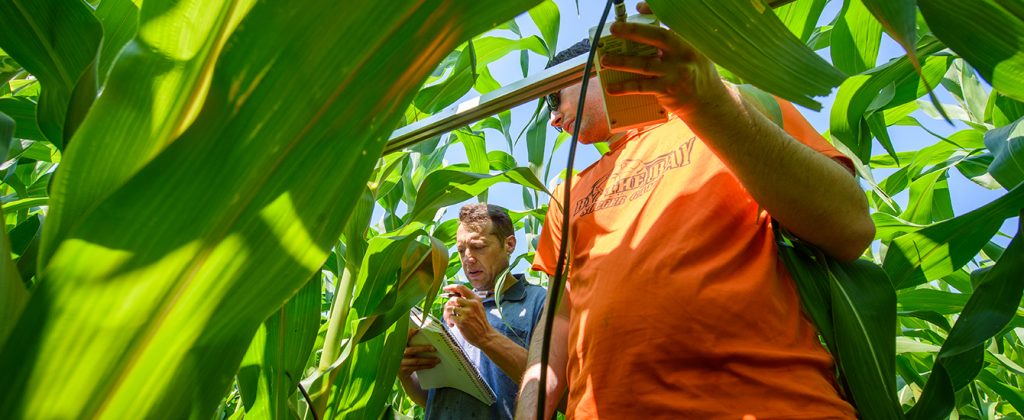
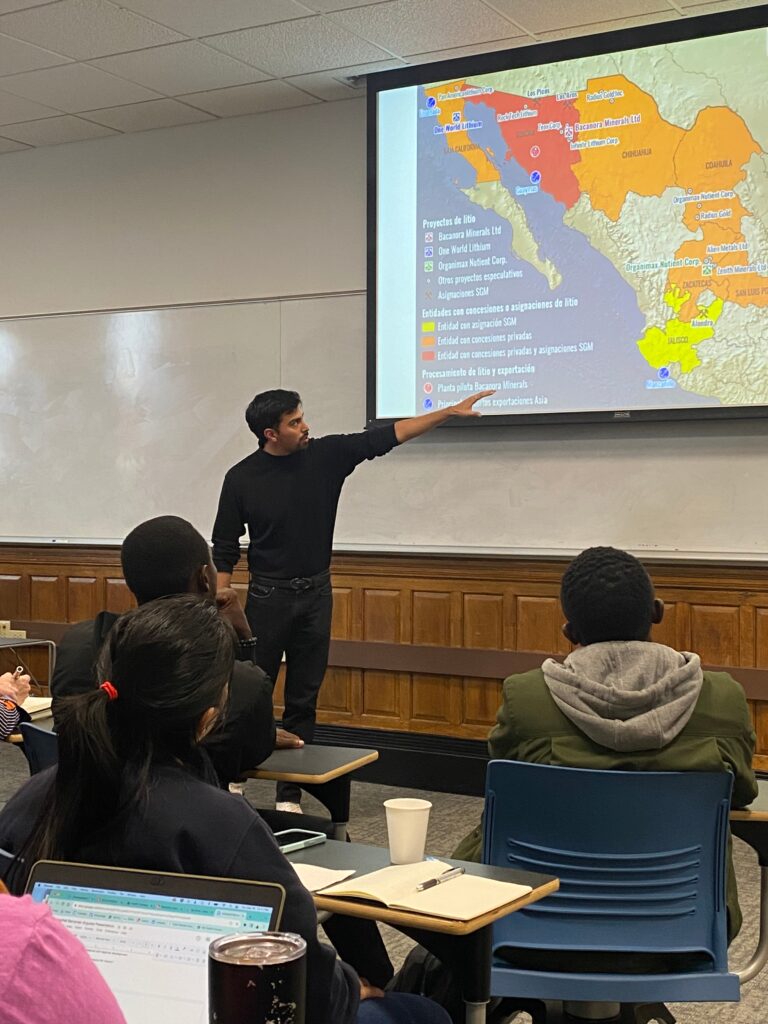
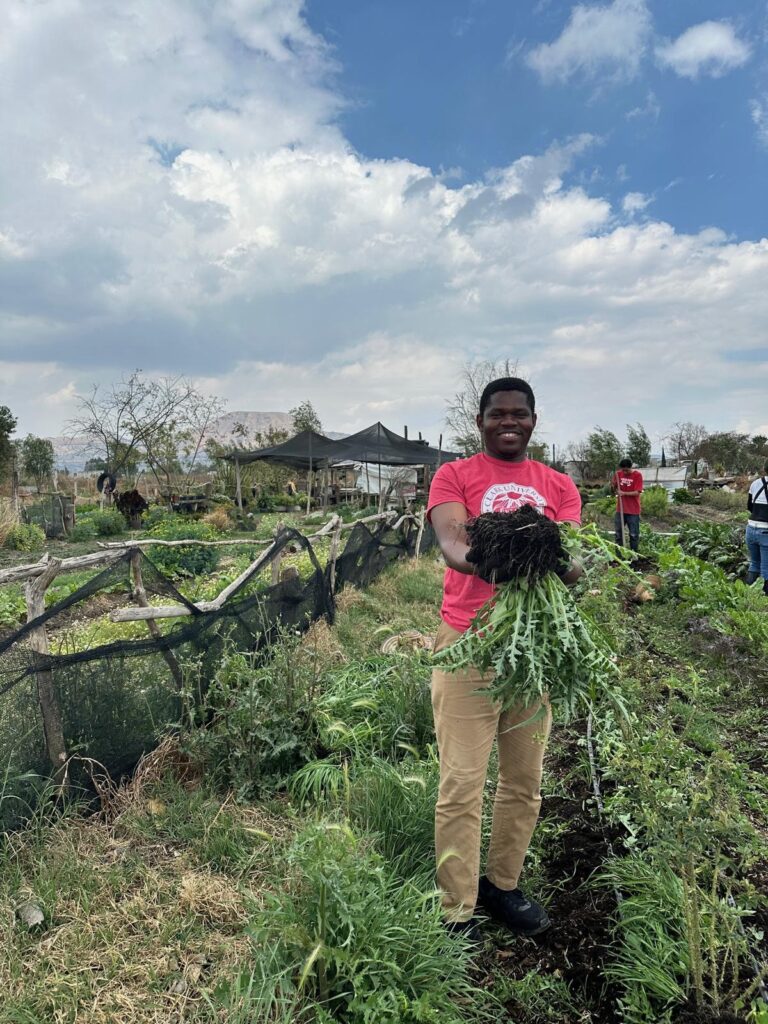
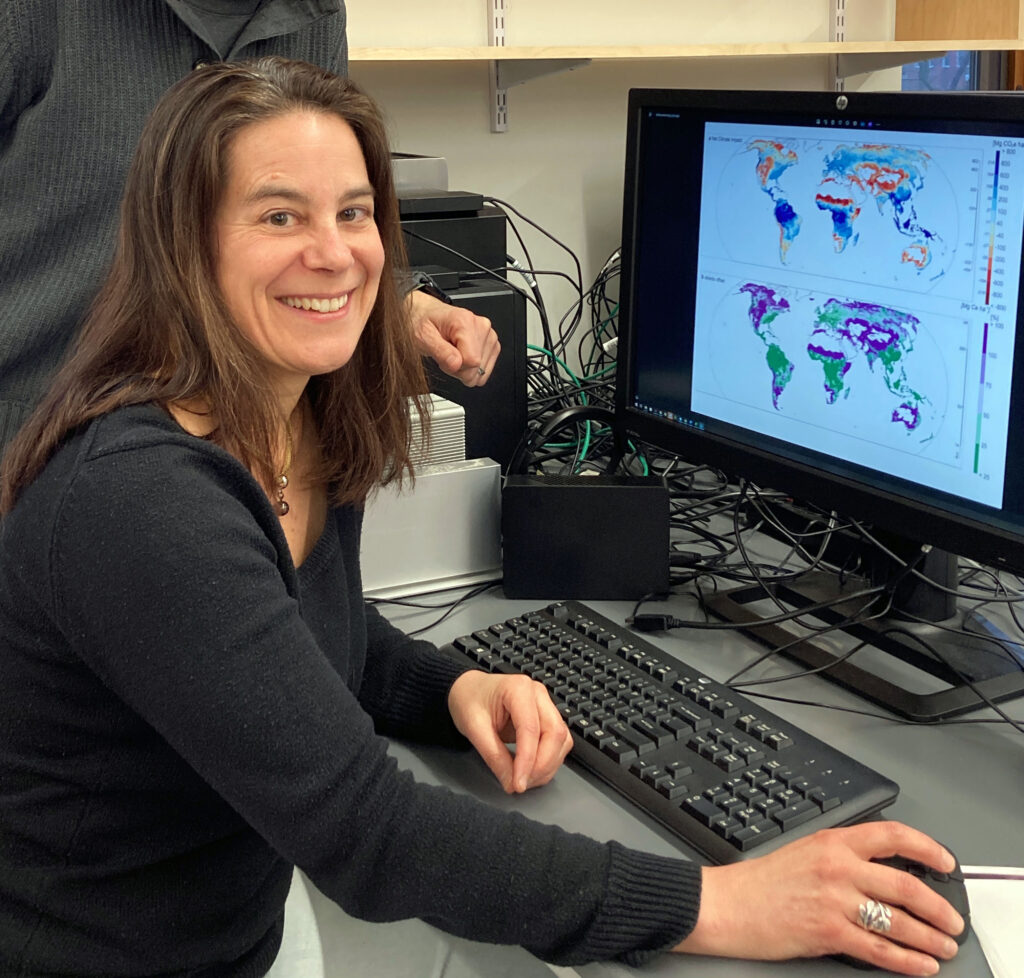
Our faculty are not just teachers and scholars. They care about what happens in each student's progress to academic maturity, acting as mentors, respecting individual learning styles, and taking pride in pushing each student beyond his or her own expectations. That's why our faculty of experts give undergraduates the unique chance to work side by side with them.
Our faculty of experts give undergraduates the unique chance to work side by side with them.
Today, more than 50 percent of the undergraduate students are involved in research with a faculty member. You can find out more about pursuing academic research by talking to your faculty advisor or the head of your chosen major. Plans are also in the works for a Virtual Research Center, where research opportunities will be posted on this site. Watch for more information in the next few months.