
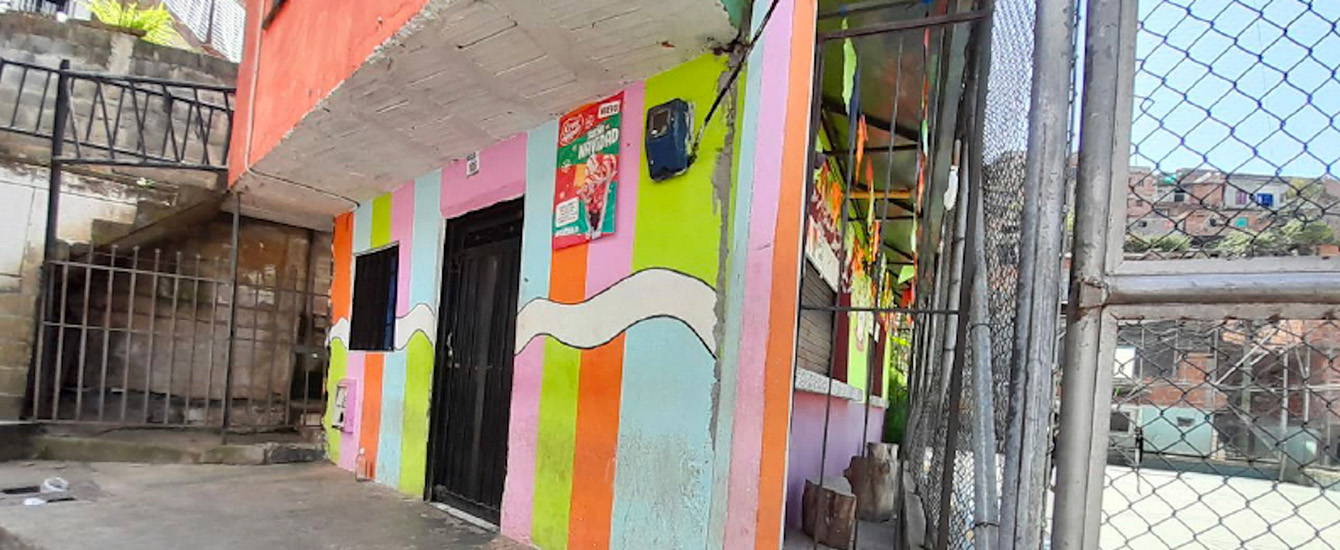
Reimagining Beauty as Essential Infrastructure
Home Ground Lab is a creative research and storytelling initiative housed within Clark University’s Integration and Belonging Hub. We work at the intersection of aesthetics, justice, and the built environment—exploring how beauty functions as a vital form of infrastructure in spaces often overlooked by traditional design and policy systems: shelters, transitional housing, and communities shaped by displacement or marginalization.
Our Mission
We believe that beauty is not decorative—it’s fundamental. It’s how people ground themselves in place, reconnect with dignity, and recover after systems collapse.
Through community-led research, participatory design, and narrative practice, we collaborate with residents, students, and institutions to:
- Uncover and elevate aesthetic practices that support wellbeing and social connection in marginalized housing environments
- Facilitate inclusive placemaking rooted in cultural pride, spatial justice, and trauma-informed care
- Translate insight into action, offering concrete strategies for developers, policymakers, and aid organizations who seek to create environments where people feel at home
What We Do
Participatory Research
We work alongside residents to understand how people use beauty—color, texture, light, layout, art—to create a sense of belonging. Our methods include visual analysis, dialogic approaches (interviews, focus groups, collaborative meaning-making), and arts-based engagement.
Co-Design & Facilitation
We collaborate on community-engaged placemaking processes, providing training, facilitation, and implementation support to housing partners and service providers seeking to transform their spaces.
Storytelling & Public Projects
From creative campaigns to practice guides, we publish resources that shift how beauty is understood and prioritized in emergency response, residential design, and community development.
Academic and Student Collaboration
Our work is deeply integrated into Clark’s academic ecosystem. We engage students through internships, applied research, and studio classes—creating real-world learning opportunities while advancing community impact.
Why It Matters
In many housing systems, aesthetics is treated as optional. But research shows that beautiful, culturally resonant environments support mental health, community cohesion, and even housing stability. We’re helping developers and cities reimagine what’s possible when beauty becomes part of the blueprint—not an afterthought.
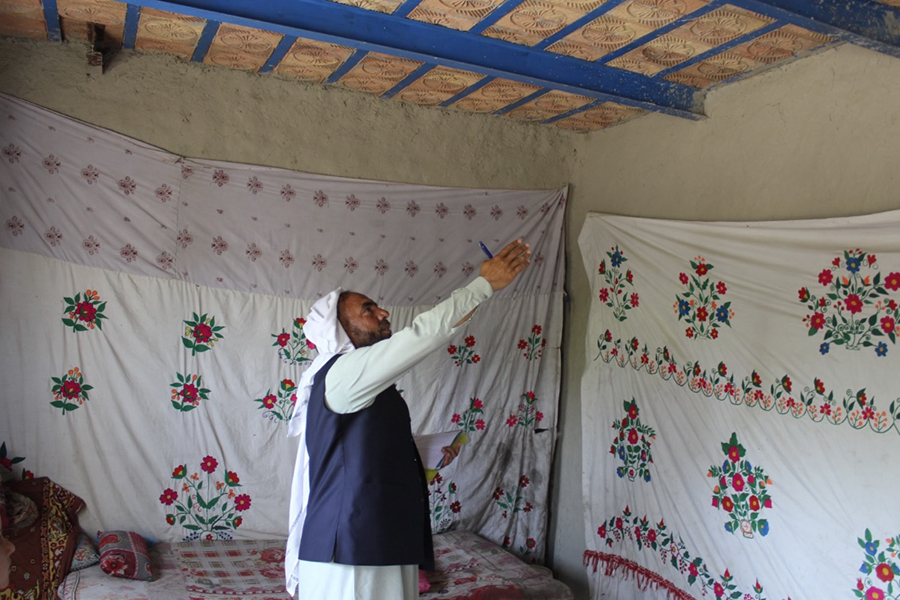
#BeautifulResistance: Global storytelling campaign
We’re collecting stories, photos, and creative submissions that show how beauty appears in places of crisis, transition, or rebuilding.
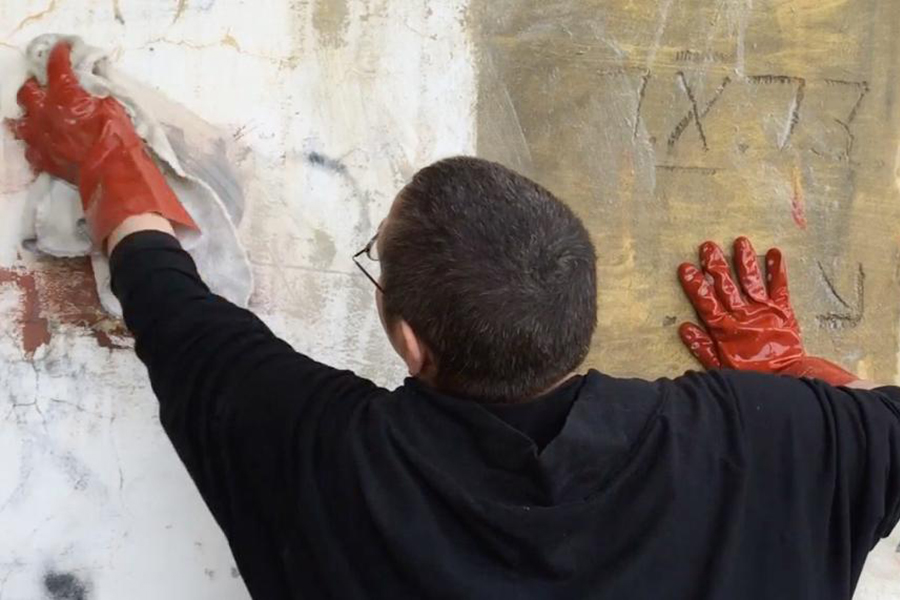
Beauty Praxis: A 7-day Practice Guide for Changemakers in Unsettled Times
We created this 7-day guide in response to a growing sense of collective unraveling—especially in the wake of the targeted dismantling of aid, housing, and education infrastructures. It’s designed for people navigating burnout, rupture, or reentry. Each day blends story, reflection, and sensory-based practice.
We specifically developed it for:
- Displaced humanitarian workers wondering where to go next
- Activists and organizers trying to stay human in the face of erasure
- Anyone asking, “How do I keep going?”
Home Ground Lab: The Next Chapter!
Update: January 9, 2026
When we established Home Ground Lab, the word “lab” was intentional. We envisioned a space for experimentation, testing, and learning how beauty might take root in overlooked spaces and build belonging for communities impacted by displacement.
That laboratory has now done its work. Together, we’ve developed frameworks proving that beauty isn’t optional in humanitarian response; it’s infrastructure. We’ve demonstrated that communities have the right and capacity to shape their own environments with dignity and care. We’ve shown that beauty-centred design can transform not just spaces, but possibilities.
With these foundations established, the laboratory phase of Home Ground Lab has formally concluded.
Three pilot projects with community partners will be completed over the coming year, building on HGL’s foundation and demonstrating these principles in practice. These community-led beautification projects represent the next phase: taking what we learned in the lab and putting it into action in partnership with local communities.
We’re grateful to everyone who made this work possible: the donors who believed in our vision; our academic, research, and professional partners including Clark University, the American Society of Adaptation Professionals, the NeuroArts Resource Center, the Centre for Trauma, Asylum and Refugees, and Ecopsychepedia; the individual scholars and practitioners who advanced this work alongside us; colleagues across the humanitarian sector who championed beauty-centred approaches; and the community partners in displacement contexts who trusted us to work alongside them.
As we each begin this next chapter through our independent initiatives, we invite you to follow along.
To stay connected:
Dr. Devora Neumark: contact@devoraneumark.com
Stephanie Acker: stephanie.acker@clarku.edu