
Our Resources
From food sourced from local gardens to solar panels atop university buildings, we commit resources to save the planet.
Popular Searches
Featured Sites
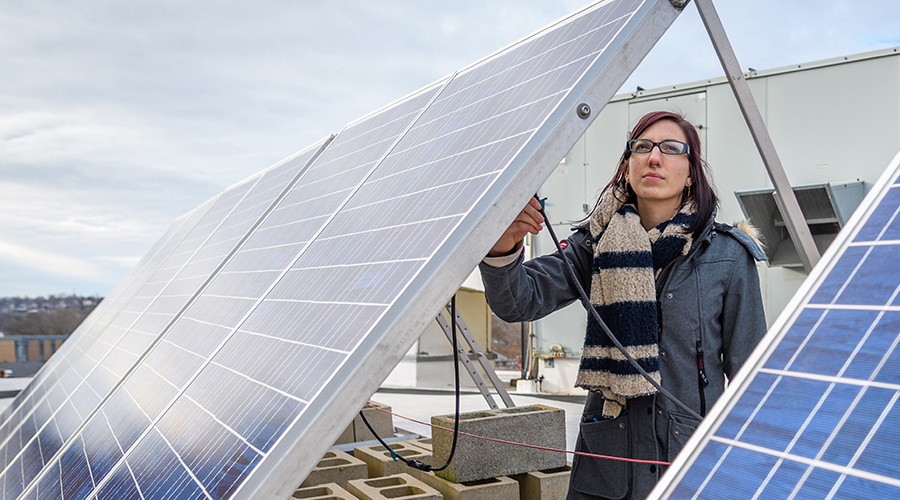
The warming of the Arctic. The decline of forests in Australia and America. The impacts of mining in the Amazon. Across the world, our faculty and students research environmental issues like these. Back home on campus, we apply sustainability best practices ranging from recycling to renewable energy.
Clark has a longstanding commitment to the environment and sustainability. We offer undergraduate and graduate programs and courses focused on climate and global change and related environmental issues. And our researchers partner with organizations and communities across the globe to explore the multi-layered impacts of climate change.
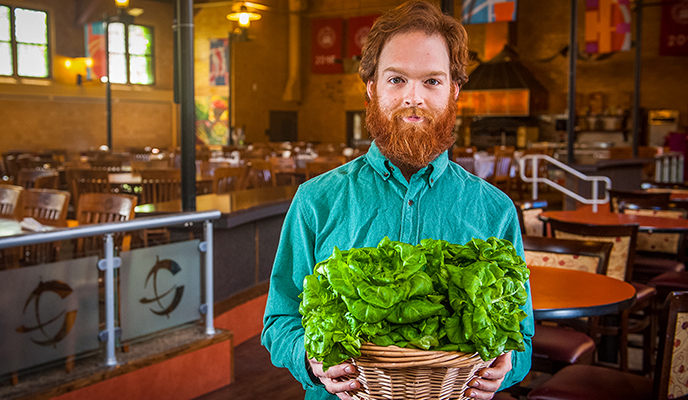
Our Resources
From food sourced from local gardens to solar panels atop university buildings, we commit resources to save the planet.
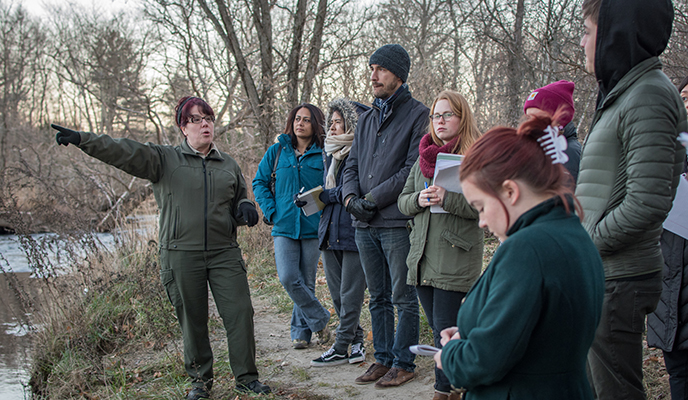
Our Curriculum
We offer more than 10 academic programs and over 100 courses allowing students to study issues of sustainability and the environment.
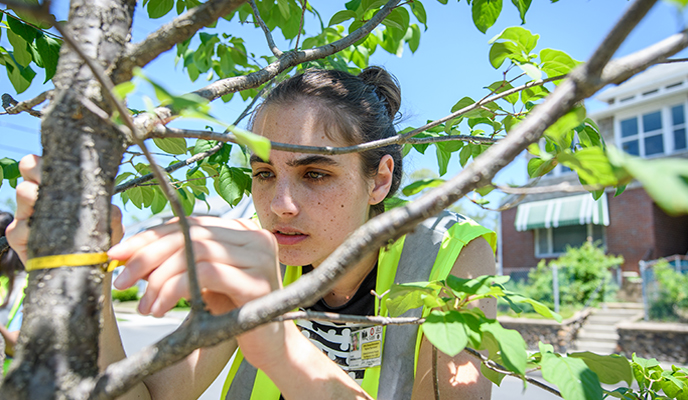
Our Research
Our researchers in the humanities, sciences, and social sciences examine ecological issues in our local community and the world.
‘The University is forging its own path to create bold impact’
Clark scientist: Tools ‘tell the good climate solutions from from the bad’
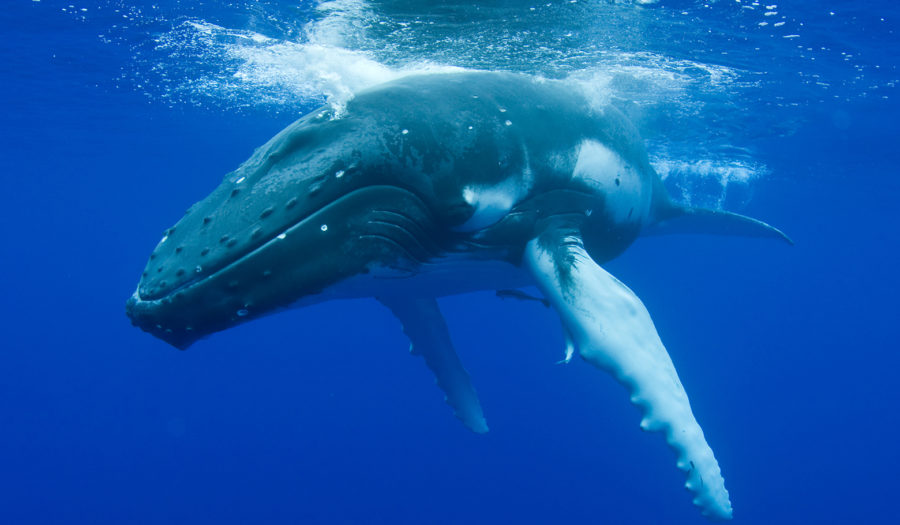
How did life evolve into a wide range of species, from microorganisms to whales? How are other living things affected when species become extinct? How might we conserve and protect species? In Biodiversity (BIOL 084), explore these questions and more.
How did life evolve into a wide range of species, from microorganisms to whales? How are other living things affected when species become extinct? How might we conserve and protect species? In Biodiversity (BIOL 084), explore these questions and more.
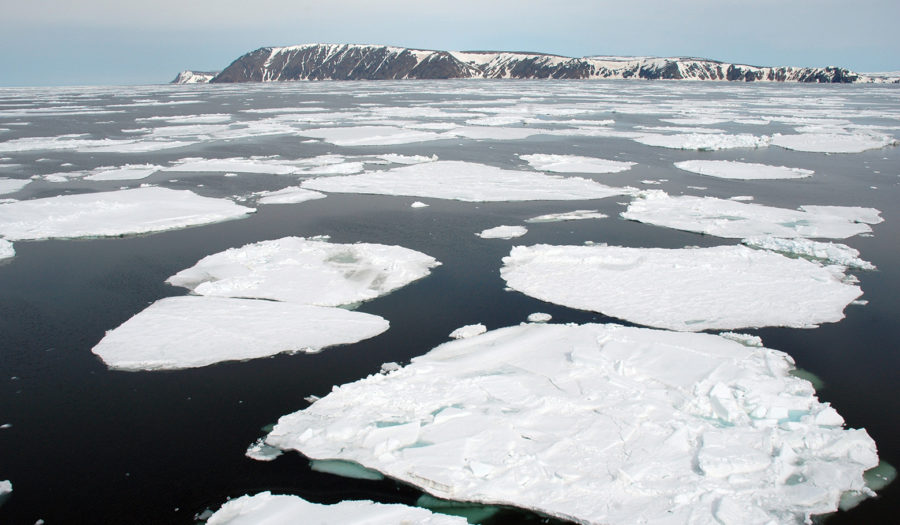
In The Arctic and the Anthropocene (GEOG 119), learn about the global impact of melting ice caps. You’ve heard about polar bears, but what else could the world lose?
In The Arctic and the Anthropocene (GEOG 119), learn about the global impact of melting ice caps. You’ve heard about polar bears, but what else could the world lose?
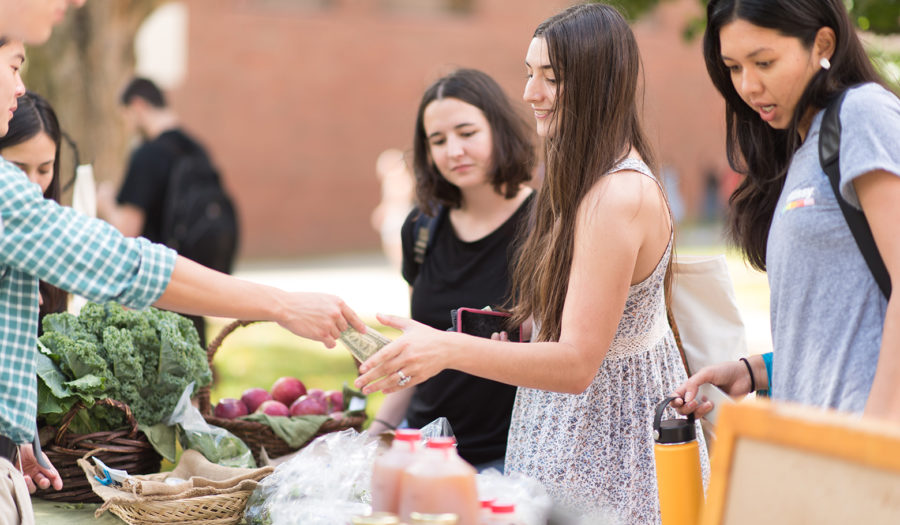
In Food Justice and Food Movements (GEOG 101), you’ll explore the role of the industrial food system in the United States and beyond, and learn about its ecological, cultural, social, economic, and moral impacts.
In Food Justice and Food Movements (GEOG 101), you’ll explore the role of the industrial food system in the United States and beyond, and learn about its ecological, cultural, social, economic, and moral impacts.
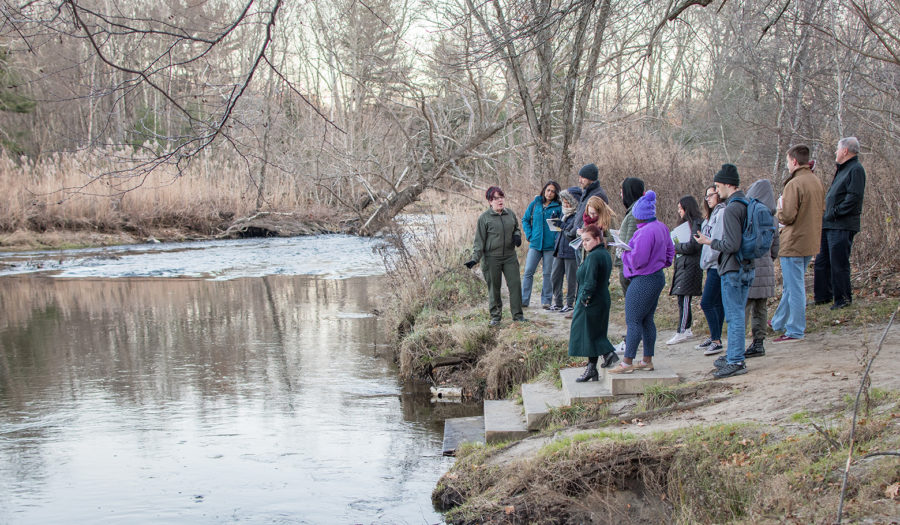
In Water and the City: A Socio-Hydrology of Worcester and its Environs (GEOG 106), study the historical, social, economic, political, and environmental significance of local waterways. Take field trips and meet with regional practitioners and policymakers as you explore the multiple organizations and career paths associated with supplying and accessing water.
In Water and the City: A Socio-Hydrology of Worcester and its Environs (GEOG 106), study the historical, social, economic, political, and environmental significance of local waterways. Take field trips and meet with regional practitioners and policymakers as you explore the multiple organizations and career paths associated with supplying and accessing water.
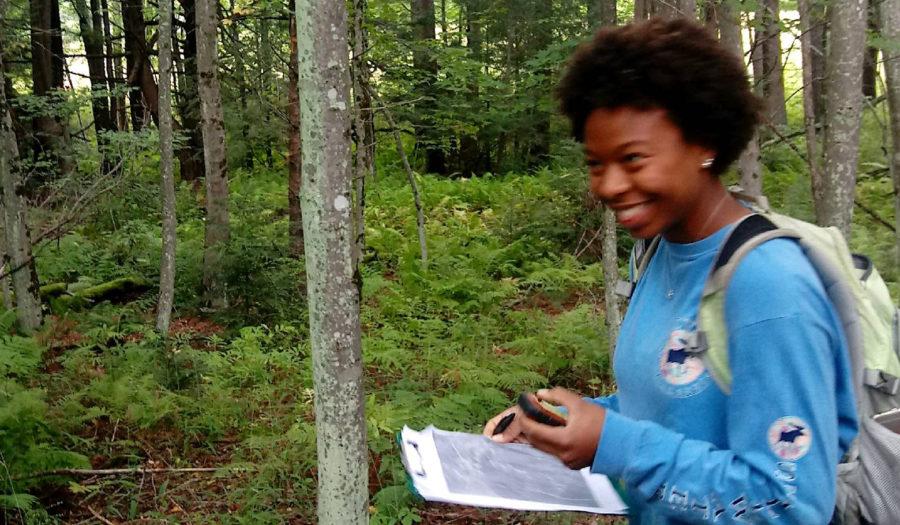
In Small-Scale Land Conservation in Massachusetts (BIOL 258), take a walk in the woods with state conservation officials. Learn how to “read” and understand changes to the land. Prepare conservation restriction monitoring reports for local communities, legally required by the state of Massachusetts as part of an effort to preserve scenic, natural, and open land.
In Small-Scale Land Conservation in Massachusetts (BIOL 258), take a walk in the woods with state conservation officials. Learn how to “read” and understand changes to the land. Prepare conservation restriction monitoring reports for local communities, legally required by the state of Massachusetts as part of an effort to preserve scenic, natural, and open land.
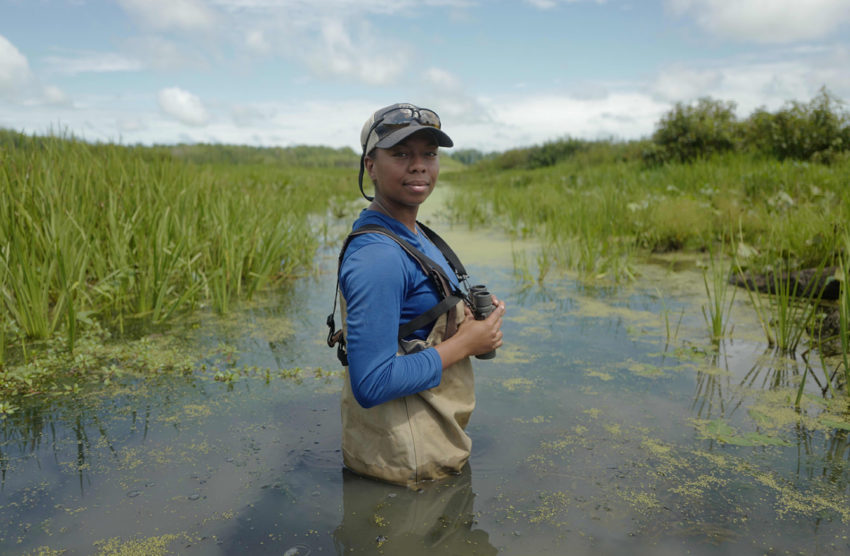
Undergraduates may choose one of three tracks in environmental science: earth systems science, environmental conservation and biology, or environmental science and policy. We also offer an accelerated B.A./M.S. and an M.S.
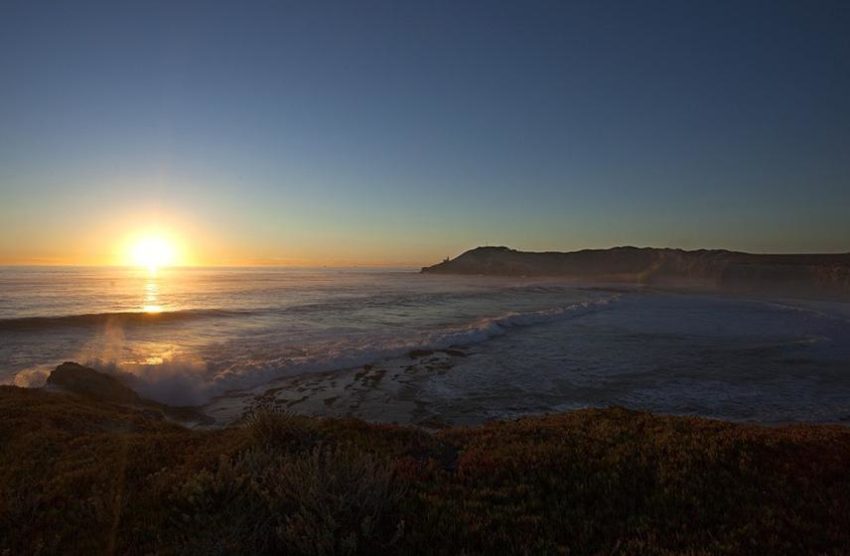
Our internationally renowned Graduate School of Geography offers undergraduate and graduate degrees where students may study and research the issues surrounding climate change, pollution, loss of biodiversity, and ever-limited resources.
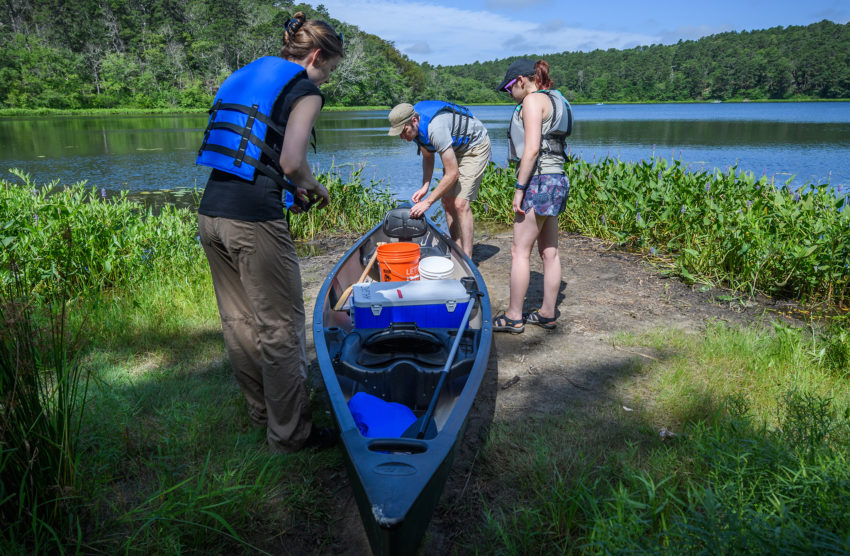
As a global environmental studies major in the Graduate School of Geography, explore the extraordinary challenges facing our planet: climate change, environmental pollution, loss of biodiversity, and the unequal distribution of critical resources.
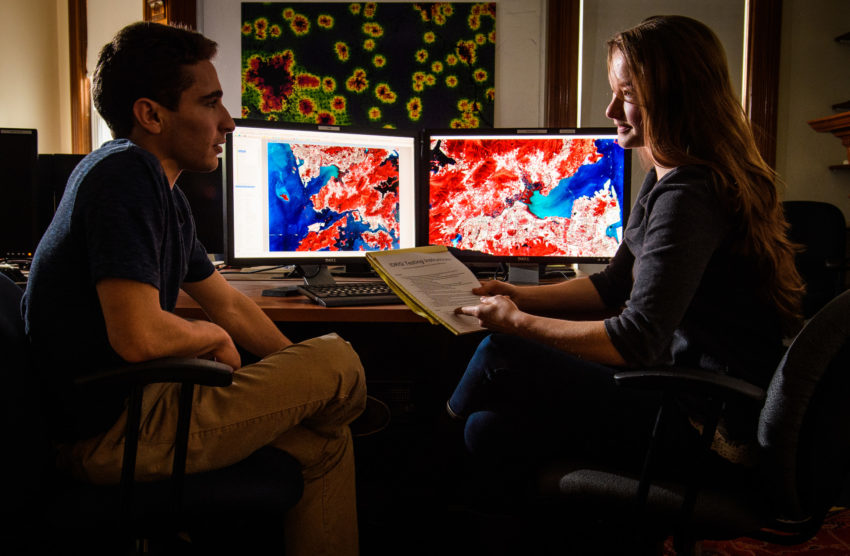
Our GIS master’s program provides students with the knowledge, skills, and experience for this competitive field. Clark geography students may apply to our Accelerated B.A./M.S. degree program. An M.S.-only option is also available.

Identify, analyze, and tackle major challenges facing urban areas in the United States, including social justice, economic development, urban planning and zoning, and environmental sustainability. Students also may pursue an accelerated B.A./M.A.
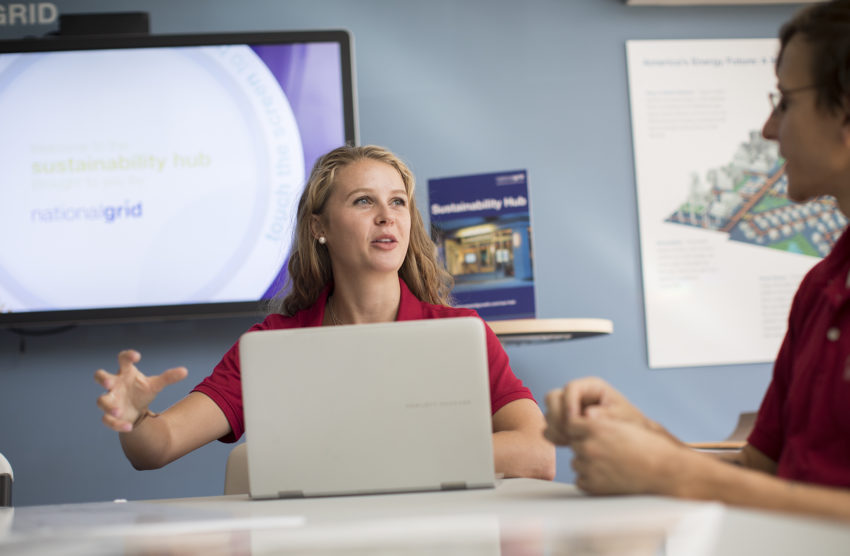
Our MBA allows you to customize your area of expertise with one of seven concentrations, including social change and sustainability.
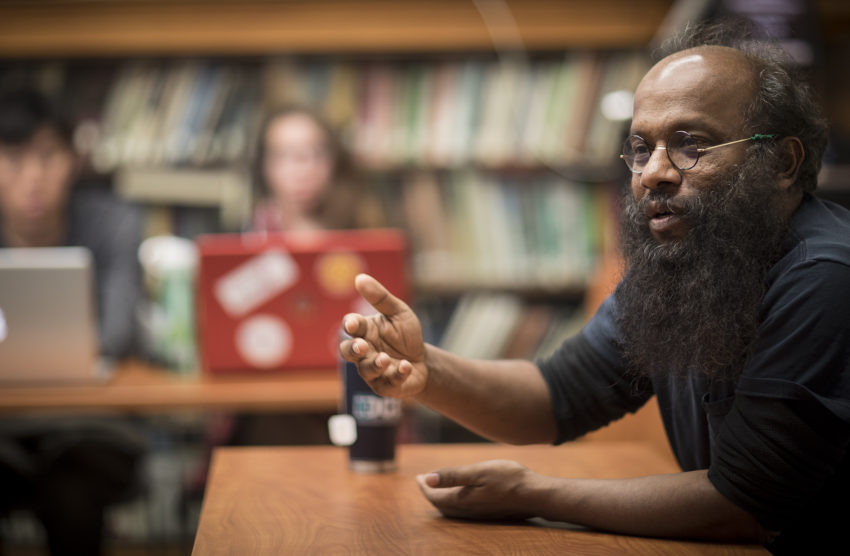
Pursue a B.A., accelerated B.A./M.A., or M.A. in international development and social change. Join a community of scholars and practitioners seeking solutions in the areas of social justice, economic well-being, and sustainable development.
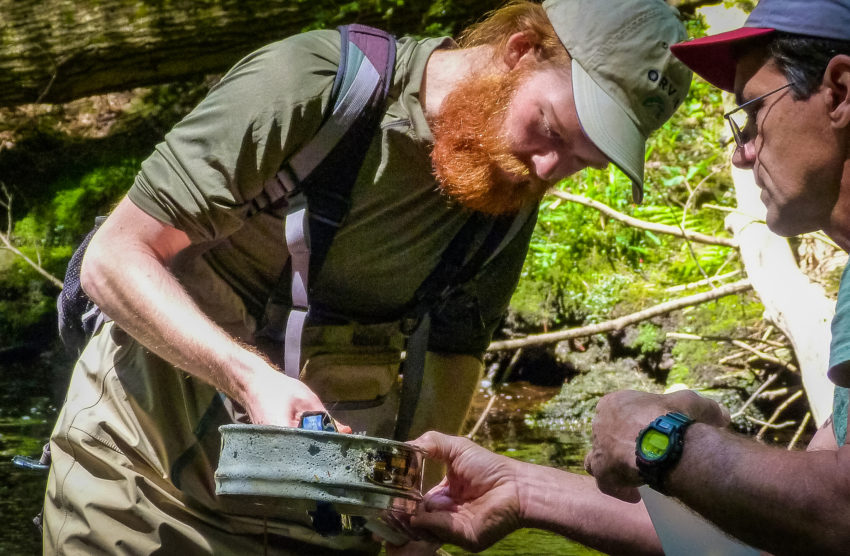
In an era marked by profound social, economic, and environmental change, how can citizens and decision makers navigate policy and business challenges? In our MBA/Master’s in Environmental Science and Policy Program, learn how to make a difference.