New Awards

Hattis Awarded EPA Grant

Hattis

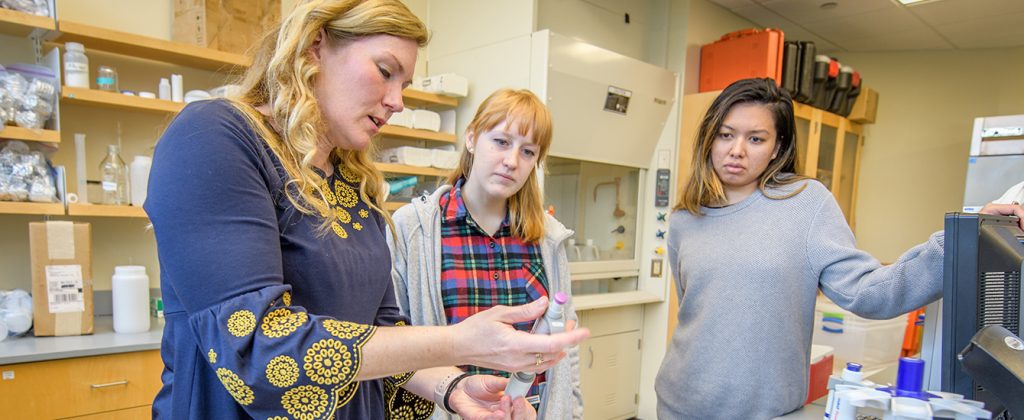
Dale Hattis, research professor at the George Perkins Marsh Institute, has received a $677,500 award from the Environmental Protection Agency (EPA) to support his new project entitled, "Use of Biomarkers and Physiologically Based Pharmacokinetic (PBPK) Modeling in Risk Analysis for Developmental Effects of Chlorpyrifos." The primary goal is to use PBPK modeling to help derive a developmental Reference Dose (RfD) for Chlorpyrifos (CPF) from an epidemiology study in which biomonitored levels of CPF in cord blood were associated with impaired fetal growth and several neurodevelopmental effects. Other parts of the project will evaluate the internal dose-response for adverse effects in developmental and mechanistic toxicity studies in rodents for comparison with humans; use the PBPK modeling approaches to assess population exposures and risk from CPF, based on NHANES general population measurements of a specific CPF urinary metabolite; and develop more general recommendations for the collection and interpretation of dynamically changing biomarker measurements for health risk assessment modeling. This research project is in collaboration with the Columbia University Center for Children's Environmental Health.

NSF Awarded $100,000 for Legalizing Community Project

Martin

The National Science Foundation (NSF) has awarded Deborah Martin $100,000 to support her project entitled, "Legalizing Community: Lawyers and Citizen Activism in Neighborhood Disputes." This project will explore the interactions of citizen groups and lawyers in place-based disputing. It proposes to examine lawyers and neighborhood-based organizations engaged in conflicts over the sitting of social service agencies in residential neighborhoods. The proposed research will expose the connections between legal practices and land-use outcomes. It will aid policy-makers, lawyers, social service providers and community groups in their efforts to mediate land use conflicts and to realize less contentious resolutions. It will assist legal educators in training new lawyers to integrate social and political influences into practical judgment. Finally, clear descriptions of the influence of legal rules and processes on community self-definition should provide the basis for assessing the adequacy (or need for reform) of local zoning procedures and state and federal laws relating to sitting decisions.

The Polaris Project Awarded Grant From NSF

Frey

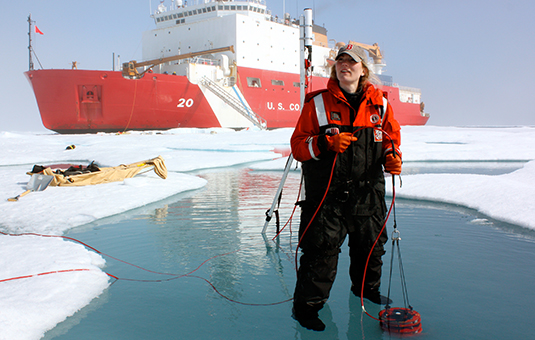
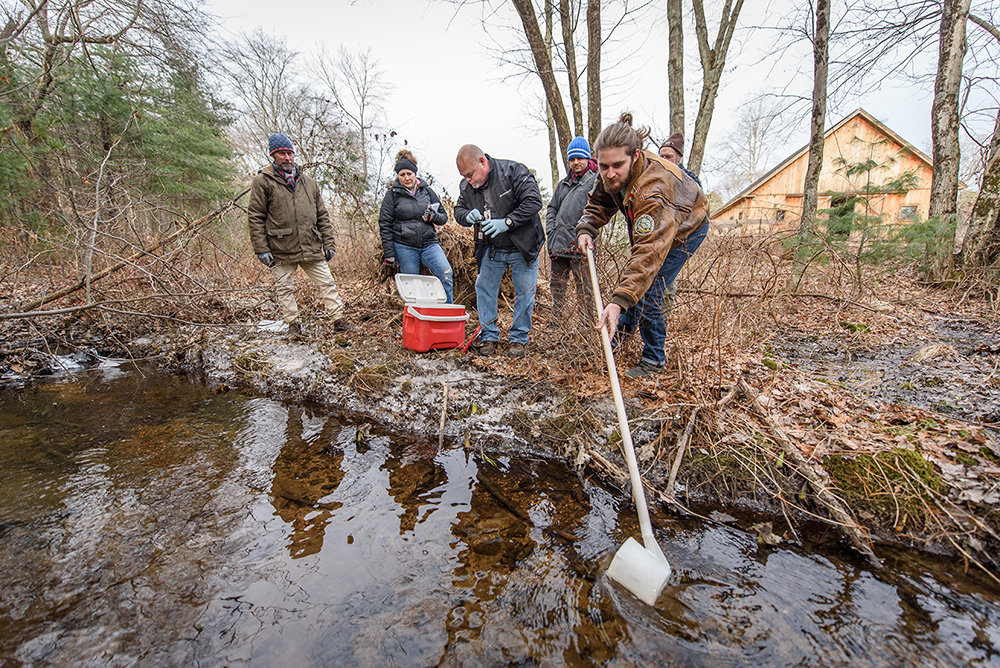
Karen Frey has recently received a $59,411 award from the National Science Foundation (NSF) for the "The Polaris Project: Rising Stars in the Arctic." The allure and mystique of the Arctic, combined with its central role in the global warming issue, make it the ideal place to capture the imagination of students, the public, and even early career scientists, and then engage them in interdisciplinary polar research and education. The Polaris Project is a multifaceted effort that includes: a field course and research experience for undergraduate students in the Siberian Arctic, several new arctic-focused undergraduate courses taught at colleges across the United States and in Russia, the opportunity to initiate research programs in the Siberian Arctic, and a wide range of outreach activities. The unifying scientific theme of the Polaris Project will be the transport and transformations of carbon and nutrients as they move with water from terrestrial uplands to the Arctic Ocean. The Polaris Project will help train future leaders in arctic research and education, which is essential given the rapid and profound changes underway in the Arctic in response to global warming.

Stephens Awarded NSF Grant

International Development, Community and Environment professor Jennie Stephens was awarded a National Science Foundation grant from the Science and Society program to support collaborative research on Diffusion of Emerging Energy Technologies within a State Context. This cross-disciplinary research project, a collaboration with Elizabeth Wilson, University of Minnesota, and Tarla R. Peterson, Texas A&M, ($390,000 over three years divided among the three collaborating institutions) examines the interconnected, state-level, sociopolitical influences on diffusion and deployment of emerging energy technologies with potential to contribute to an energy system transformation for climate-change mitigation. 

Using a case-study approach, this research focuses on two very different emerging energy technologies, wind power and carbon capture and storage (CCS); both have large potential to change the energy technology landscape and to dramatically reduce CO2 emissions. 

The project uses a retrospective analysis of the diffusion history of wind-power technology in six geographically and politically diverse states (Massachusetts, Minnesota, Texas, Montana, New Mexico, and New York) to ground identification and analysis of the interplay of factors that will influence future diffusion of wind and CCS.

The project aims to identify and evaluate relationships between the sociopolitical dimension of state energy technology systems and stakeholder perceptions of risks and benefits of the technologies. This project strategically integrates several traditionally separate areas of research: technology diffusion and deployment; analysis of energy and environmental policy; comparative analysis of states and identification of state difference; and public perceptions of risks (and benefits). 

This research will provide insights that may accelerate the transition of our energy technology infrastructure.  In addition to increasing understanding of state-level influence on technology diffusion, results of this research will enable energy professionals, state planners, policy analysts, nonprofits and businesses to develop more effective strategies for involving the public in energy policy formation and implementation related to deployment of wind energy and CCS technologies, as well as other emerging energy technologies.  

Clark University receives $1.4 million grant for coastal zone research

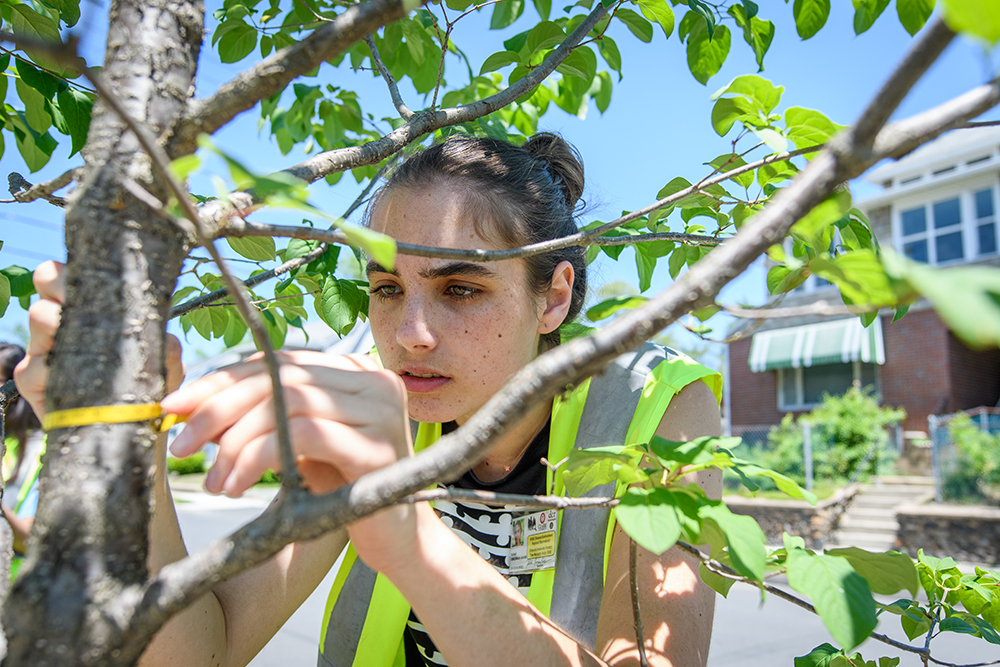
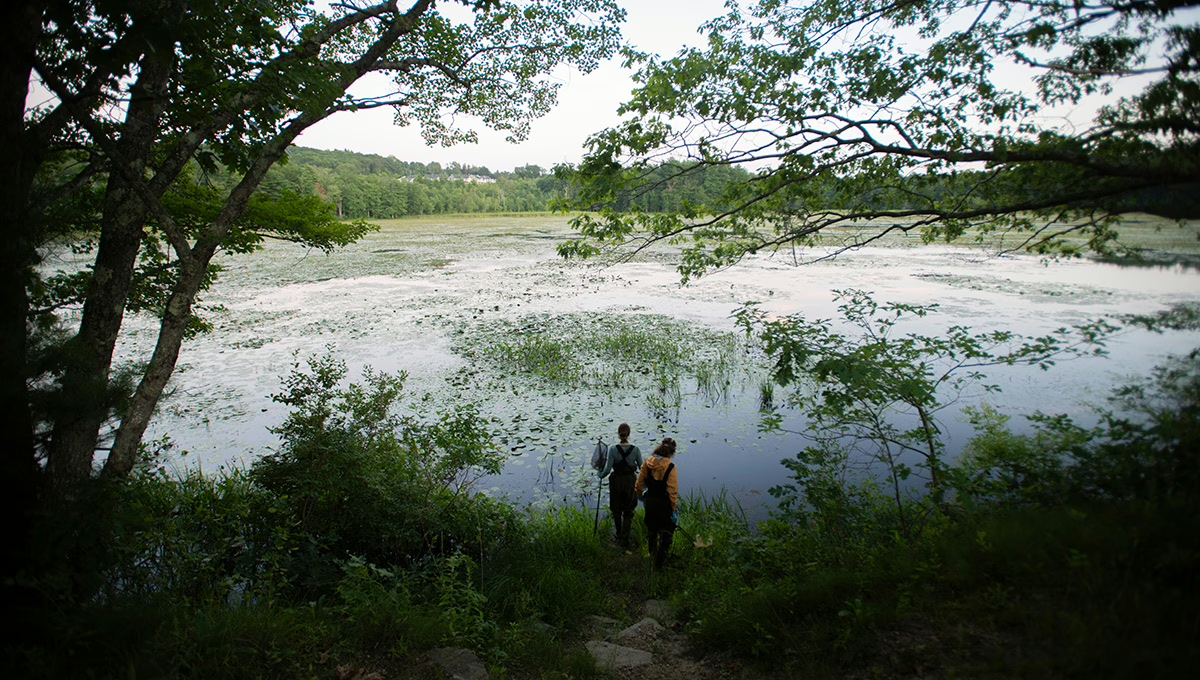
Clark University has received a $1,442,930 grant from the National Science Foundation (NSF) in support of research on suburbanization and its effects on coastal watershed areas. The research project is titled "Suburbanization, Water Use, Nitrogen Cycling, and Eutrophication in the 21st Century: Interactions, Feedbacks, and Uncertainties in a Massachusetts Coastal Zone." The research is expected to provide novel insights into these processes that are so vital to the environment and inhabitants of rapidly growing coastal areas. Fieldwork and process-based modeling will be used to characterize and explain these dynamics.

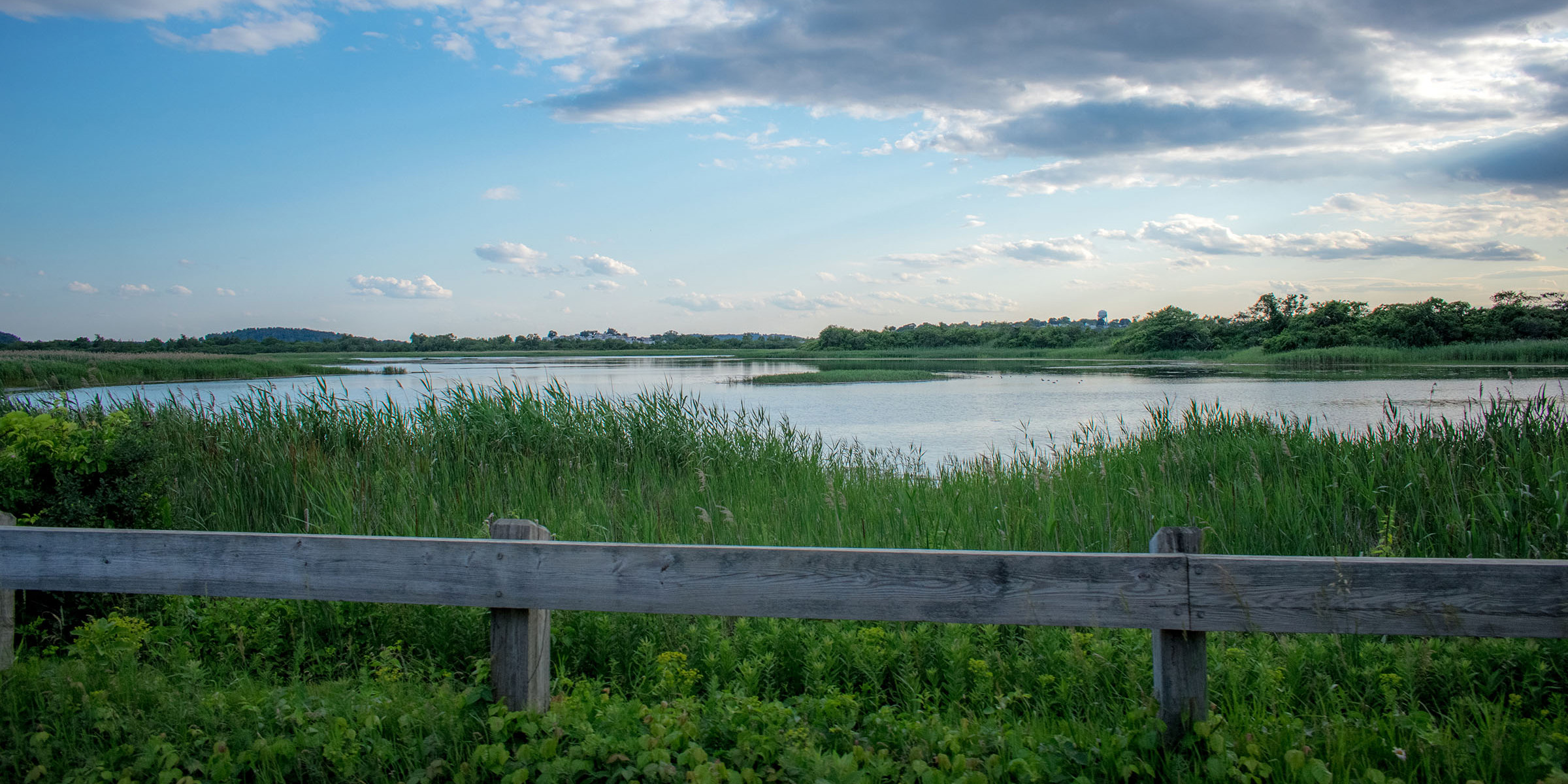
The study area comprises 26 Massachusetts towns of the Ipswich and Parker River watersheds. Suburbanizing watershed-estuary systems such as those in the area under study constitute a pressing national challenge for coastal zone managers and land owners. The researchers will break new ground by examining the human and environment systems in the study area as a coupled system rather than independent structures.

The NSF award is effective Sept. 15, 2007 and will expire in February 2012. It is the second largest grant to a faculty research project at Clark.

"Clark is delighted to have such support from the National Science Foundation for the University's work in coastal environmental sustainability," said Clark University President John Bassett. "This project will greatly further scientific understanding and enhance human management of this state's precious coastal resources. It holds vital implications for growing coastal communities everywhere."

Clark researchers include Colin Polsky, Assistant Professor in the Graduate School of Geography and George Perkins Marsh Institute, who is Principal Investigator of the grant. Co-PIs include Robert Gilmore Pontius Jr., Clark University Associate Professor in the Graduate School of Geography and George Perkins Marsh Institute, and the Department of International Development, Community & Environment; Charles S. Hopkinson, of the Marine Biological Laboratory; and Wilfred Wollheim and Charles J. Vorosmarty, both of the University of New Hampshire.

"This NSF award is an outstanding opportunity for Clark University to contribute to basic knowledge of coupled human-environment systems dynamics," Polsky said. "Doing that means understanding how people are affecting the environment and how they are responding to those effects now, and then projecting those dynamics into the future. The award is also a platform for us to advance the methodological frontiers of doing such research, as we will be integrating fieldwork and modeling techniques from social science, geographic information science, and ecological science."

The research is an exemplar of Clark's interest in use-inspired and translational research in that the research promises to produce data and make findings available not only to an audience of scientists, but to end users such as suburban communities that are experiencing rapid changes associated with sprawling development. Programs of study and education will involve students at K-12, BA, MA, Ph.D.*, and postdoctoral levels. The research leaders are committed to continuing their successes engaging students from underrepresented groups, Polsky notes, and results will be conveyed directly to relevant federal and state agencies, to national, regional, and local land and water planning organizations and advocacy groups, and to elected officials. An end-of-project stakeholder symposium is planned—likely to be one of the first regional gatherings of such a broad cross-section of stakeholders.

Rep. James P. McGovern (D-MA) lauded the grant and Clark University's work in sustainability science. "I'm very pleased that the National Science Foundation is recognizing the incredible work being done at Clark University," Rep. McGovern said.  "As we continue to try to manage growth smartly and efficiently, it is vital that local communities have access to the best research into the interplay between development and the environment.  This is especially true along our sensitive coastal areas. I'm especially proud that Clark has become such a nationally recognized leader in environmental research."

Both undergraduate and graduate students in Clark's Human-Environment Regional Observatory-Central Massachusetts (HERO-CM), as well as students at the Marine Biological Laboratory and UNH, will participate in the project, gaining crucial research experience in the emerging field of sustainability science. The HERO-MA program provides opportunities for undergraduate and graduate students to analyze the causes and consequences of global environmental changes at local scales in faculty-led research projects. This program permits students to conduct research in interdisciplinary and inter-institutional projects. Current HERO research is funded by the National Science Foundation, the National Marine Fisheries Service, the Thoreau Foundation, George Perkins Marsh Institute at Clark, and the O’Connor ‘78 Endowment.

To learn more online about the HERO program at Clark, visit http://www.clarku.edu/departments/hero/.

* The grant includes funding for graduate research assistants with skills in Social Science, Computer Science, Geographic Information Science, Geography, and Ecology. Those who wish to become a graduate research assistant (Fall 2008) are encouraged to apply to Clark University's PhD program in Geography (http://www.clarku.edu/departments/geography/) or one of its Masters programs in IDCE (http://www.clarku.edu/departments/idce/). Contact Colin Polsky (cpolsky@clarku.edu) or Robert Gilmore Pontius Jr. (rpontius@clarku.edu).

An article about this appeared in the Worcester Telegram & Gazette on September 14th.