Clark University Research
950 Main Street • Worcester, MA 01610
Tel: 508-793-7711 • academicaffairs@clarku.edu

George Perkins Marsh Institute

Letter from the Director

Robert Johnston

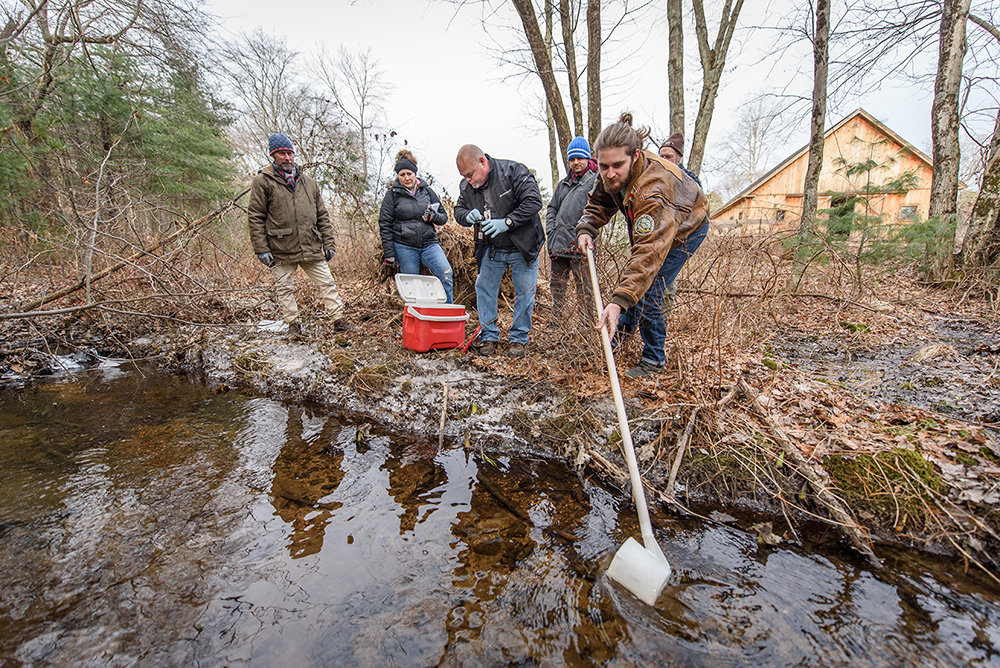
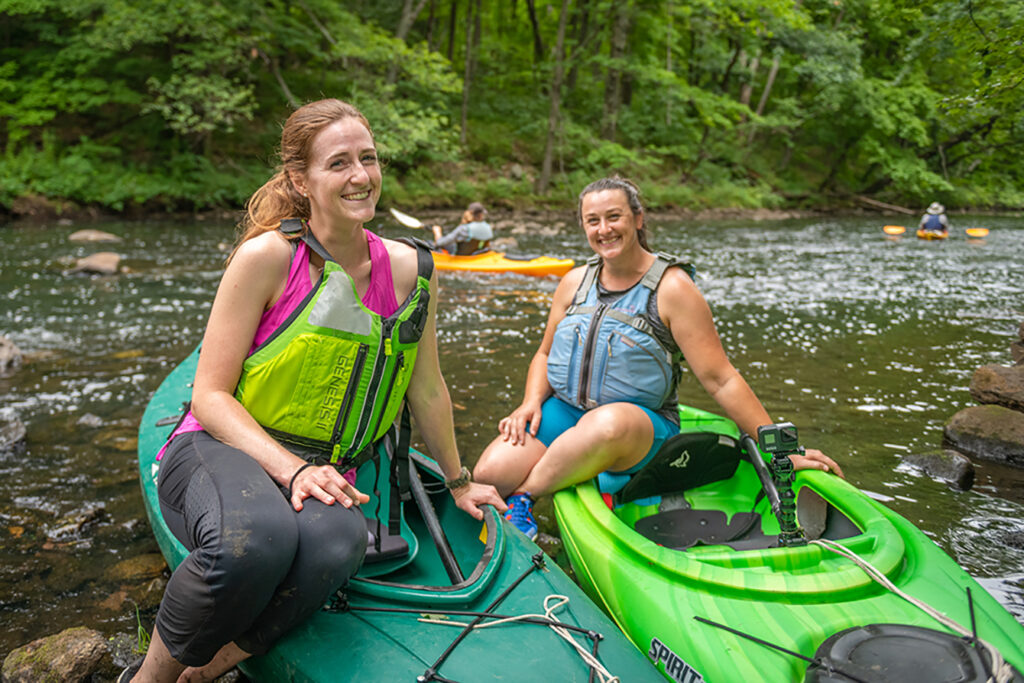
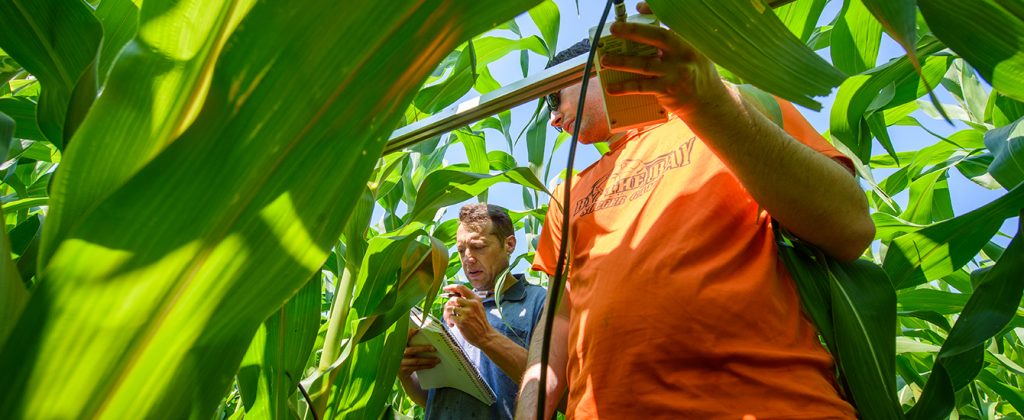
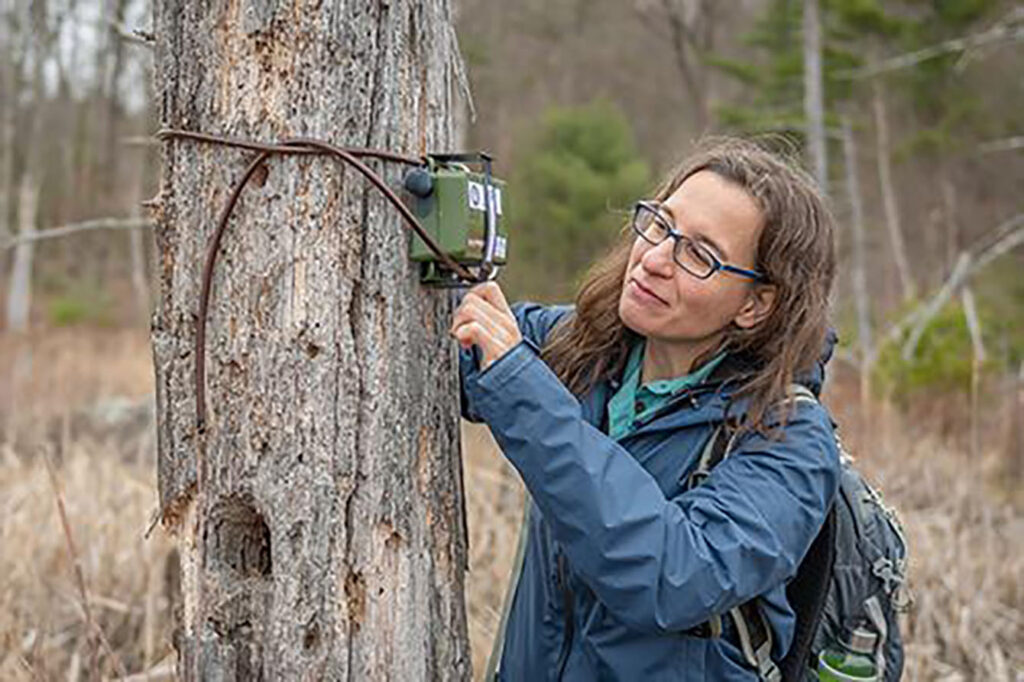
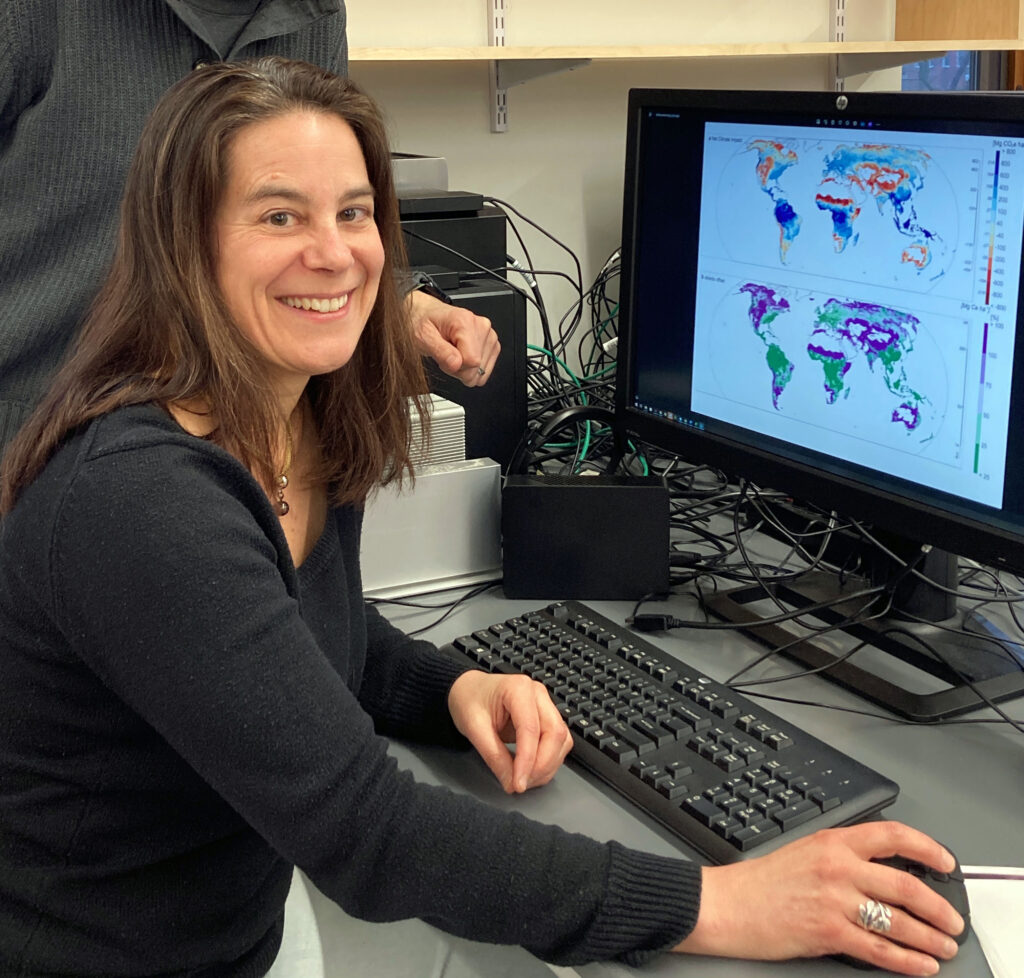
Welcome to the George Perkins Marsh Institute, the focal point at Clark University for research studying the relationship between humans and the environment, as well as human dimensions of environmental change. The Institute supports interdisciplinary and collaborative research, education and outreach within a variety of research focus areas, and is home to approximately 65 research faculty, staff, and graduate students with appointments ranging from the humanities to the social and natural sciences. The Institute also provides administrative, academic and communications support to encourage effective and influential research. Although historical work of the Institute traditionally emphasized human-induced changes in the biosphere, more recent study has taken a broader purview to include interactions between social, natural, institutional and technological systems. Among other facilities, we house the Jeanne X. Kasperson Library and the office of the new, multi-institutional Institute for Energy Innovation and Sustainability (IEIS). Our recent initiatives include the new Socio-Technical Transitions Initiative (STTI), designed to study transitions towards sustainability.

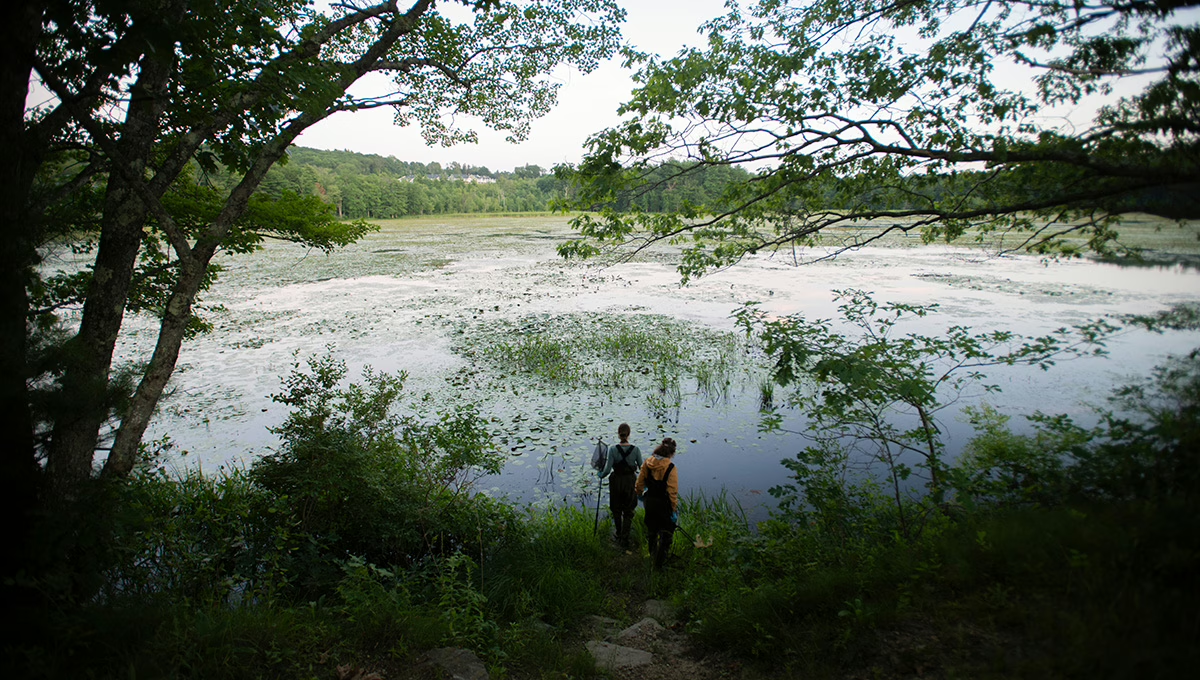
The Marsh Institute seeks to focus and coordinate resources from Clark University and elsewhere within a collaborative agenda to study human transformation of the environment and human response to this change. In keeping with the mission of Clark University to "Challenge Convention - Change our World," Institute activities emphasize innovative, interdisciplinary solutions to contemporary challenges such as climate change, ecosystem disturbance, energy sustainability and land use. Within these areas, the Institute provides intellectual, developmental, administrative and other assistance needed to promote the advancement, success and impact of collaborative, interdisciplinary research and outreach projects. To achieve these goals, the Institute relies on funding from the University, government grants and contracts, support from individual and group donors, and partnerships with the private sector (NGOs and private companies). We currently maintain approximately $4.5 million in active grants and contracts. Current areas of topical emphasis at the Institute include: (a) socio-technical transitions and energy sustainability, (b) land use and land cover change, (c) urban environments, health and welfare, (d) risks, hazards and vulnerability, and (e) ecosystems, society and prosperity.

Work at the Institute is guided by conviction that research impact is enhanced by collaborations both in and outside of the academic community. The Institute's goals include a strengthening of relationships within the University as well as with public and private organizations outside our walls. Within Clark, for example, we are promoting new, joint initiatives with The Mosakowski Institute for Public Enterprise and Clark Labs for Cartographic Technologies and Geographic Analysis. We are also seeking to enhance the Institute's long-established ties with departments at Clark including Geography, International Development, Community and Environment (IDCE), Economics, and Biology. Beyond Clark, we are engaged in efforts with numerous non-profit organizations, universities and government agencies. Our recent non-profit partners include the Pew Charitable Trusts, the Gordon and Betty Moore Foundation, the Lucile Packard Foundation, the Massachusetts Ocean Partnership, the Gulf of Maine Research Institute, and many others. Elsewhere on our website you will find descriptions of our ongoing research projects, research partners, and lists of affiliated researchers.

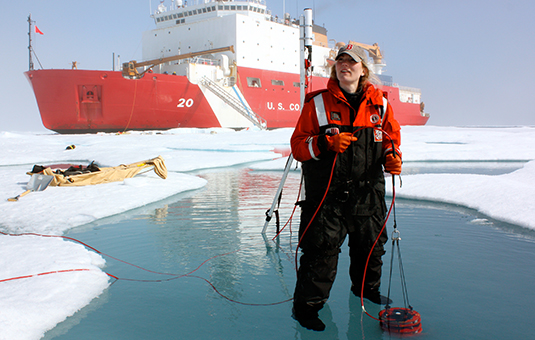
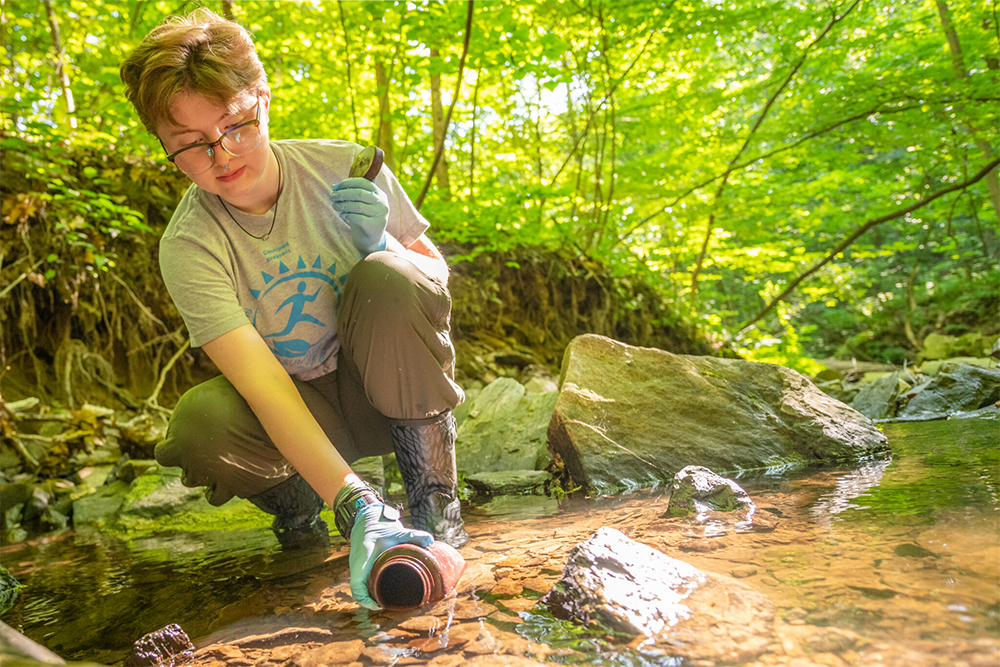
The Marsh Institute is also dedicated to programs that encourage hands-on undergraduate and graduate student research. These include the Marsh Research Intern Program and Geller Student Research Awards for Projects Relating to Sustainability, together with many funded research projects that support student researchers. Other programs coordinated through the Institute include the Polaris Project in the Siberian Arctic and the Human-Environment Regional Observatory-Central Massachusetts (HERO-CM) research program.

The 2009-10 academic year will witness numerous events and changes at the Marsh Institute. We will be implementing a new five-year strategic plan to guide the Institute through 2015. The Institute will also be seeking a new Director and Research Librarian for the Jeanne X. Kasperson Library, as well as the first full-time research scholar devoted to joint initiatives between GPMI and the Mosakowski Institute for Public Enterprise. New projects and initiatives will include a partnership with Arizona State University studying the role of tourism in social, economic and environmental prosperity, as well as a new research partnership with the University of Rhode Island and the Social and Environmental Research Institute addressing the effects of health benefits and risks on seafood consumption. We will also be continuing the successful George Perkins Marsh Institute - Jeanne X. Kasperson Library Seminar Series, with monthly seminars commencing September 17th. On November 19th, the Albert, Norma and Howard '77 Geller Lecture will be given by Lester Snow, the Director of the California Department of Water Resources. Mr. Snow will be speaking on topics related to water, ecosystems and climate change. These and many other events will be posted on our website, so check back often!

Your comments, suggestions and feedback are always welcome - so feel free to call or email at any time.

Thanks for visiting,

Robert J. Johnston
Director, George Perkins Marsh Institute


Contact Information Search

Spring 2009 Seminars: Human-Environment Interaction

Additional Resources
About George Perkins Marsh
Marsh Lecture Series
Working Papers
Socio-Technical Transitions Initiative
Student Opportunities
Marsh Committees

You may also be interested in:
Directions
Campus Map


© 2009 Clark University·