
Emily Clarke ’24 unmasks the propaganda behind the postcards
Intern helps Strassler Center stage exhibition of Nazi letters
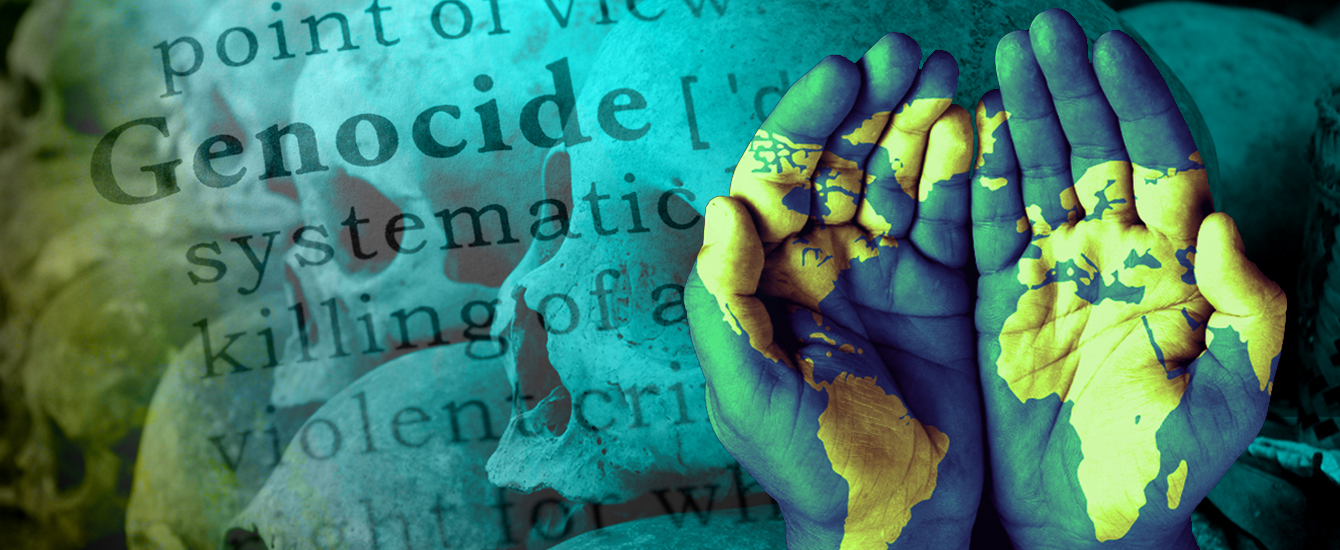
The history of genocide, mass atrocities, crimes against humanity and their continuing consequences stand at the core of the Strassler Center at Clark University. Home to a uniquely rich undergraduate program and a landmark doctoral program, the Strassler Center is the first and only institute of its kind. Since 1998, it has gained international standing as the foremost PhD program training students in Holocaust History, the Armenian Genocide, and other genocides perpetrated around the globe. Center faculty and students foster important scholarship and germinate significant ideas as conveners of a robust series of international symposia, workshops, and conferences that broaden the boundaries of genocide studies by introducing less known cases and novel approaches. The causes, conduct, and consequences of genocide are complex and require multifaceted approaches. The Strassler Center is committed to pushing boundaries in order to foster greater knowledge as well as to train professionals who hope to find solutions, offer healing and aid, education, and opportunities for memorialization.
Director, Strassler Center for Holocaust and Genocide Studies; Strassler Colin Flug Chair in the Study of Holocaust History; Professor, Department of History
Stephen and Marian Mugar and Robert Aram and Marianne Kaloosdian’52 Chair
Professor, International Development and Social Change (IDCE) & Strassler Center for Holocaust and Genocide Studies; Director: Genocide and Human Rights Concentration
Rose Professor of Holocaust Studies and Modern Jewish History and Culture; Assistant Professor, Department of History
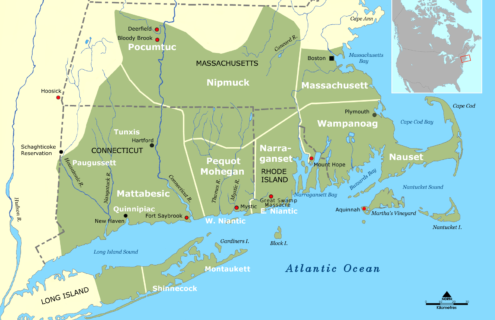
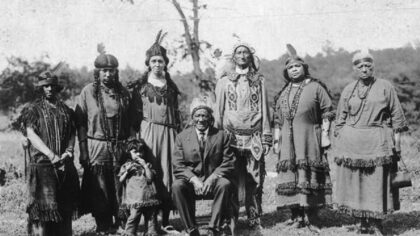
We acknowledge the long history of Nipmuc peoples and their bonds of kinship on the land where the Strassler Center community teaches, learns, and researches about genocide and mass violence.
Strassler Center students Hana Green and Daan de Leeuw organized, together with five colleagues, the “26th Workshop on the History and Memory of National Socialist Camps and Killing Sites: Bodies and Borders,” which took place in Łódź, Poland, from 4-10 September 2023.
Dr. Rein’s commentary (“Why I am Leaving Clark, op-ed April 14, 2024) did not reflect the Clark University I’ve known for twenty years as a director, member of faculty, researcher, as scholar.
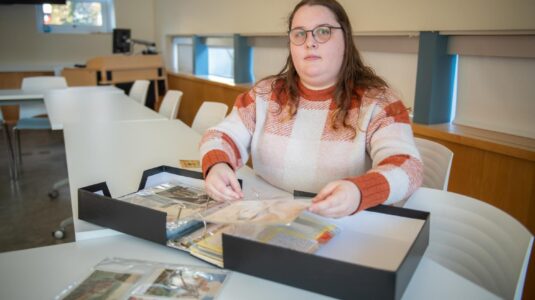
Intern helps Strassler Center stage exhibition of Nazi letters

Clark student helps keep alive memories of the Gatumba Massacre
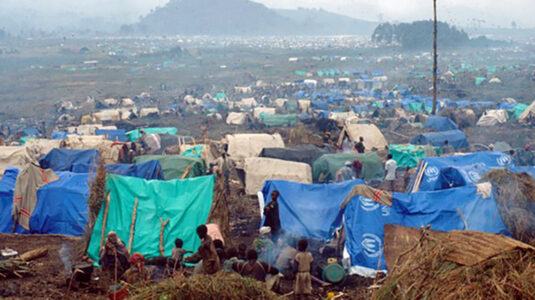
How did victims become perpetrators, and perpetrators become victims?
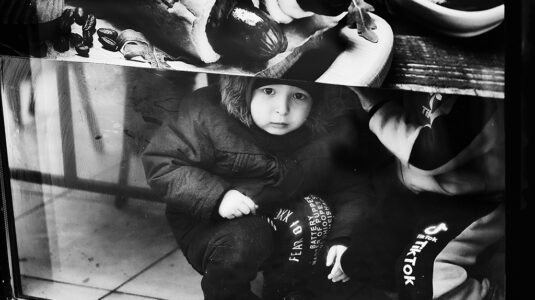
Strassler Center hosts ‘The War in Ukraine Through a Camera Lens’
Strassler Center for Holocaust and Genocide Studies
Clark University
950 Main Street
Worcester, MA 01610